
Last updated November 3, 2026
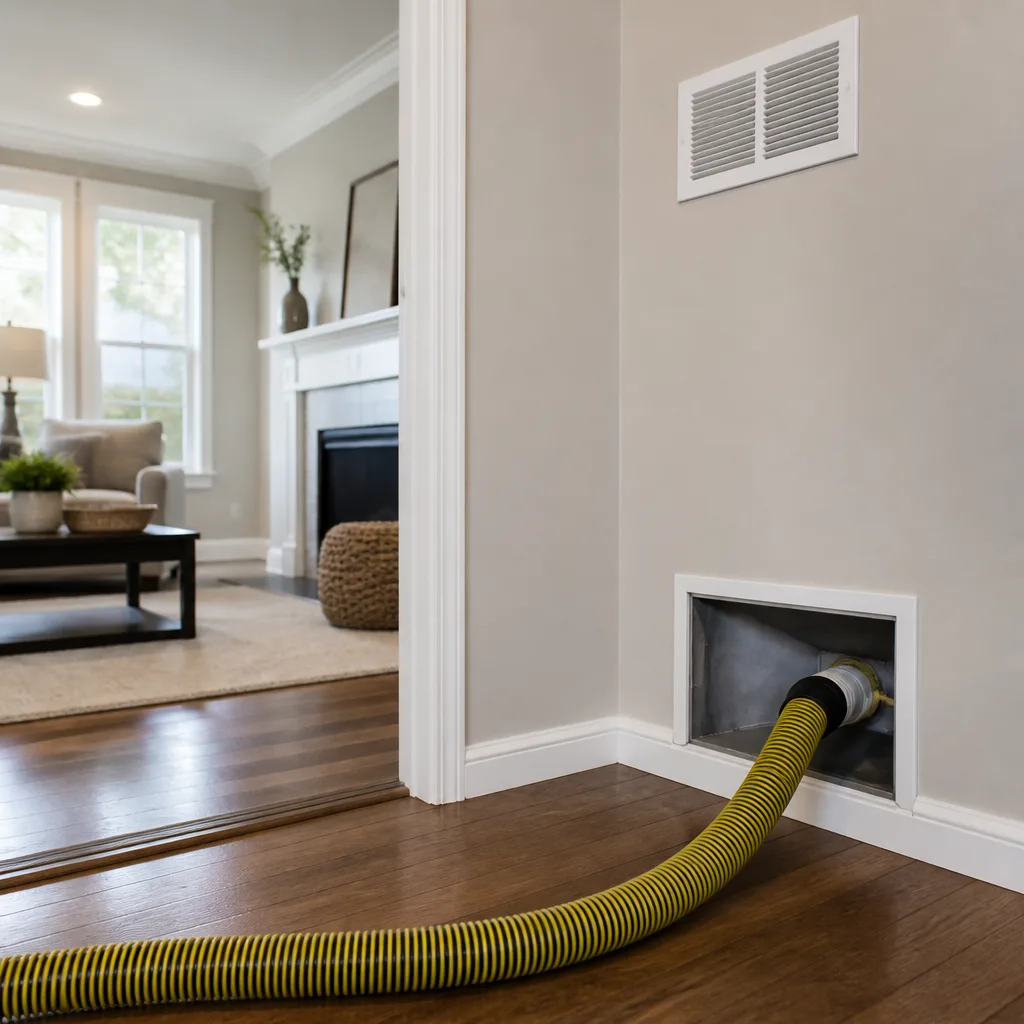 Whole-home duct cleaning
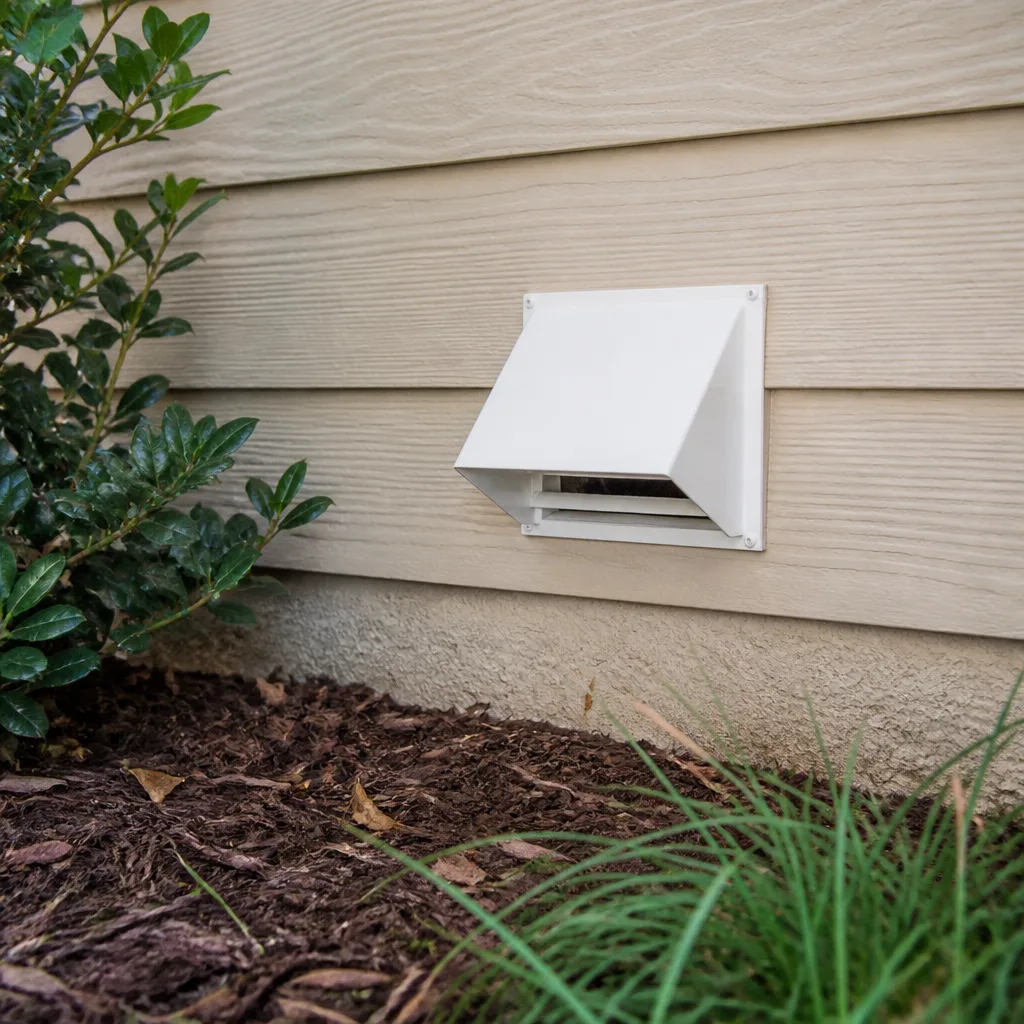 Dryer vent cleaning
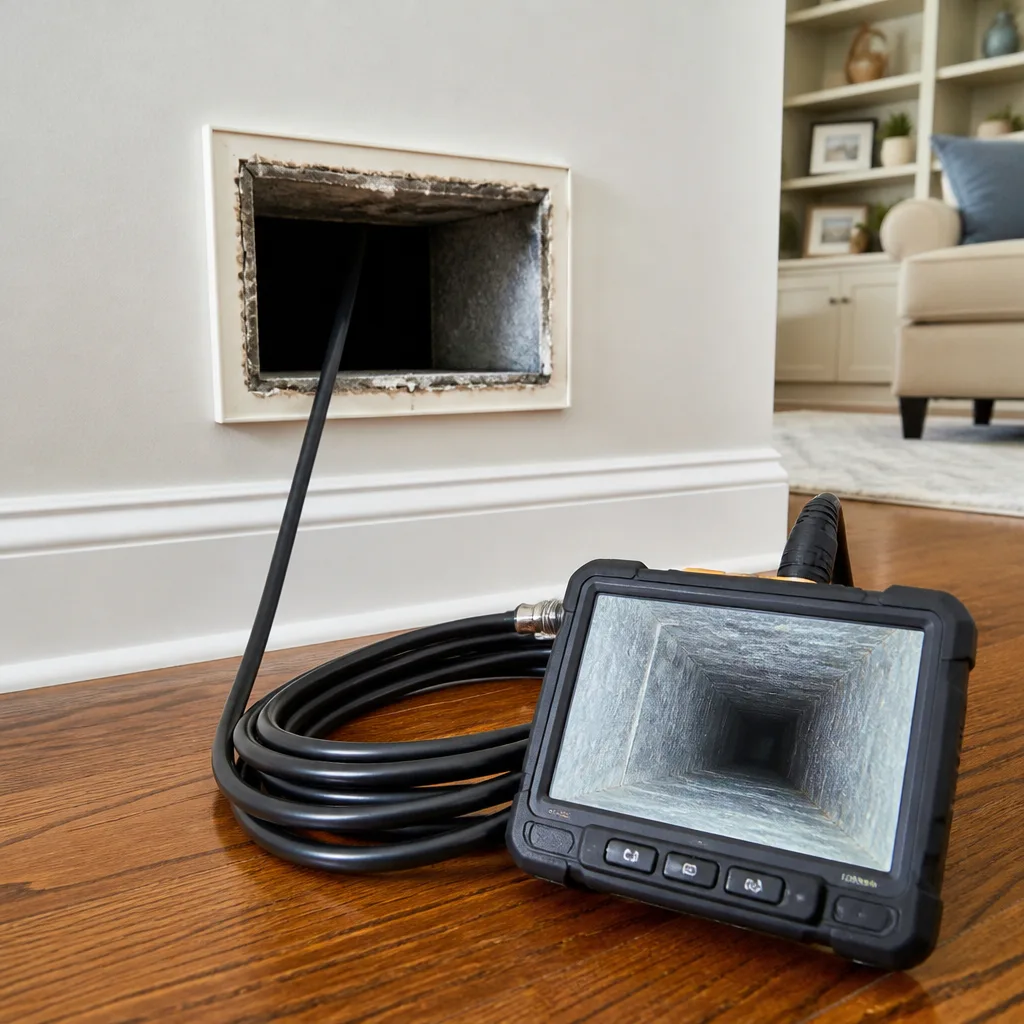 Camera inspection
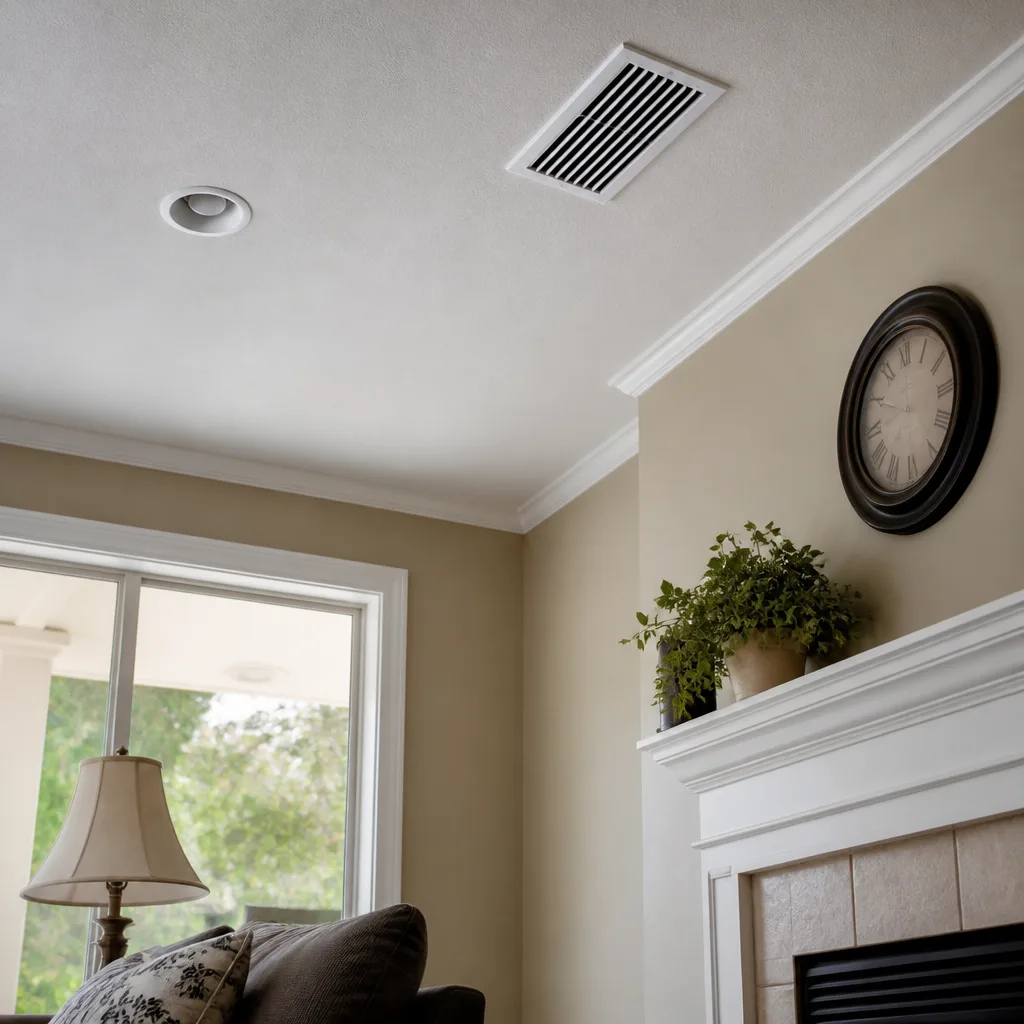 Sanitizing & deodorizing
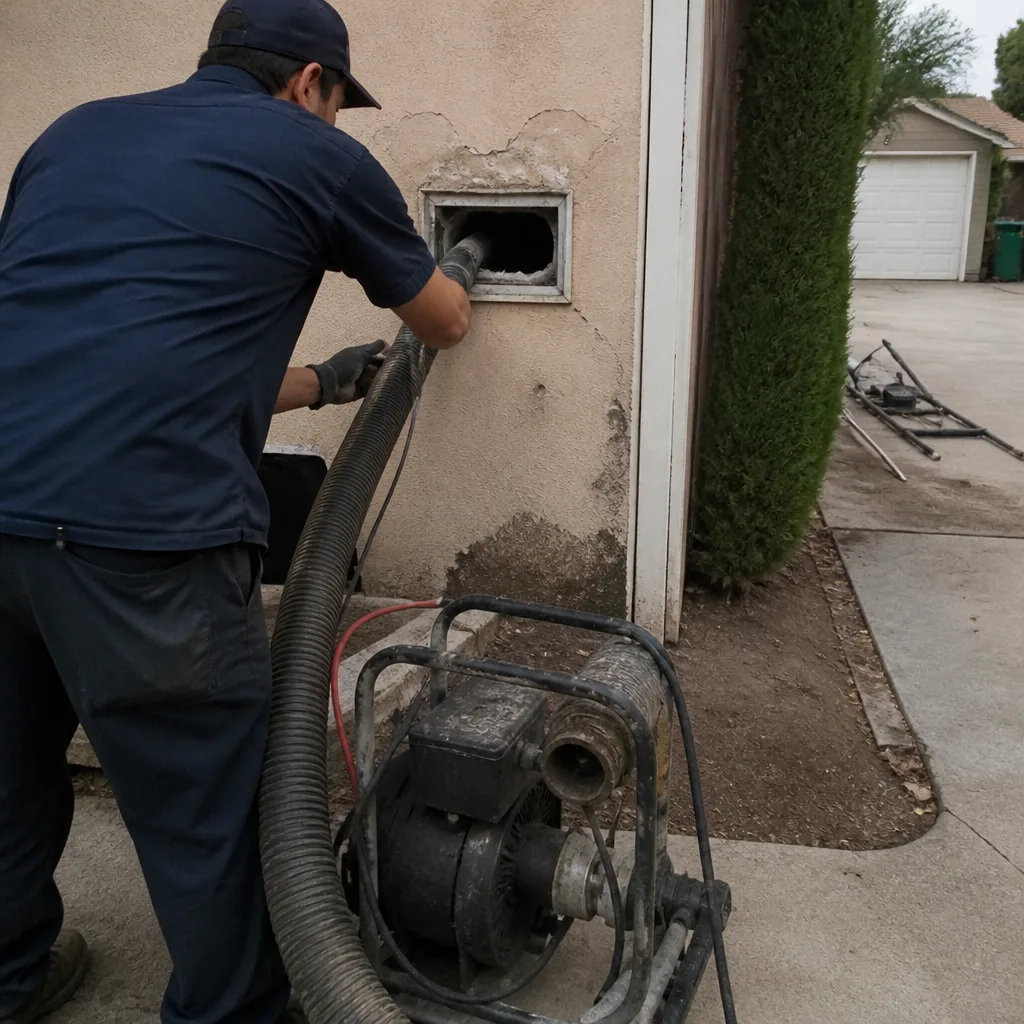
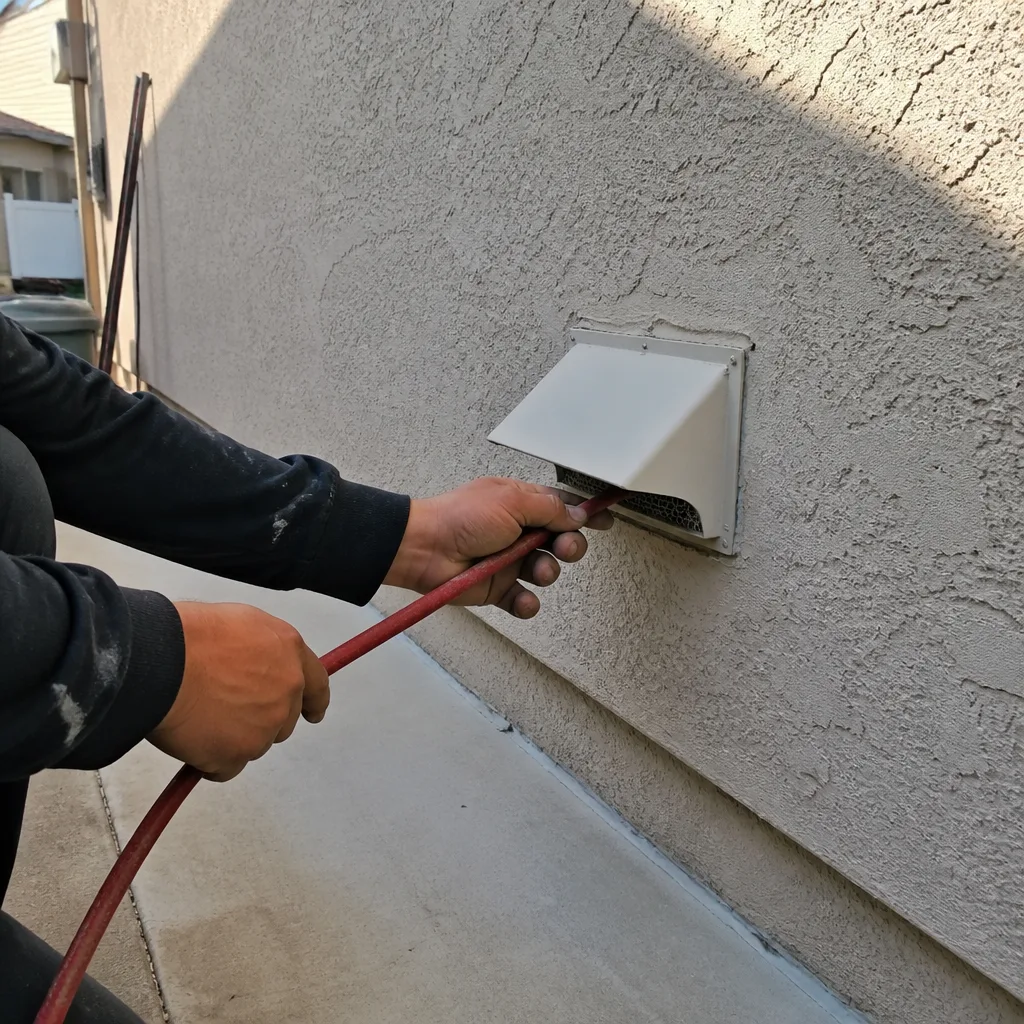
Whole-system duct and dryer vent check with before-and-after photos - you see exactly what came out of your vents
That "$99 whole-house special" is a bait ad - the real number appears once they are in your hallway, or the "clean" is a shop-vac at the register. We photograph the inside of your ducts before and after instead.
The Complete Air Duct Cleaning Guide for Jurupa Valley Homeowners
The Inland Empire consistently ranks among the worst air quality regions in the United States, with Riverside County failing American Lung Association air quality report cards year after year. Yet most duct cleaning advice online reads like it was written for a house in Seattle, where the concern is moisture and mold. Your ducts in Jurupa Valley are collecting a different kind of debris: fine desert particulate, PM2.5 from freeway traffic and warehousing, and the kind of ultra-fine dust that settles into flex duct runs and stays there. This guide covers what’s actually inside the ductwork of a Jurupa Valley tract home, what professional equipment is required to remove it, and how to spot a contractor who’ll just move the dust around instead of extracting it. For more detail, see The Complete Guide to Air Duct Cleaning in Jurupa Valley.
Styles & brands we work with
- Whole-home duct cleaning
- Dryer vent cleaning
- Camera inspection
- Sanitizing & deodorizing
Quick Answer
Our Air Duct Cleaning services in Jurupa Valley are done with contact-cleaning equipment like Rotobrush and HEPA-filtered negative air systems, not a single hose-and-blow setup. Expect to pay between $450 and $850 for a whole-home cleaning of a typical 1,500 to 2,500 square foot house, with the work taking four to six hours including inspection and verification. The biggest mistake homeowners make is hiring a coupon-priced service that does a surface blowout, which relocates debris inside the ducts rather than removing it, and leaves no photographic proof the job was actually done.
Table of Contents
- Why Jurupa Valley Ducts Get Dirtier Than Coastal Homes
- What’s Actually Inside Your Ducts: A Jurupa Valley Inventory
- Contact Cleaning vs. Air-Whip Blowout: The Real Difference
- How a Proper Duct Cleaning Works: Step-by-Step
- Reading Your HVAC Filter: What It Tells You Before You Call
- What Legitimate Pre- and Post-Cleaning Verification Looks Like
- What Air Duct Cleaning Actually Costs in Jurupa Valley
- Red Flags Specific to Jurupa Valley Providers
- Common Mistakes to Avoid
- When to Call a Professional
- Frequently Asked Questions
- The Bottom Line
Why Jurupa Valley Ducts Get Dirtier Than Coastal Homes
Jurupa Valley sits in a specific microclimate that accelerates duct contamination. The city is inland, which means hotter summers, drier air, and more hours where your HVAC system runs at full load. The Santa Ana winds push fine dust from the high desert and the San Bernardino Mountains through the valley. The 60 freeway, the 15, and the rail lines that cut through the area contribute particulate matter that settles on rooftops and gets drawn into return ducts. Add the warehousing and logistics boom along the 60 corridor, and you get a constant diesel particulate load that homes closer to the coast simply don’t experience.
What this means practically: a home in Jurupa Valley can accumulate duct debris two to three times faster than a comparable home in Orange County. The flex duct that’s standard in the area’s tract homes, built from the 1980s through the 2000s, is particularly vulnerable. Flex duct has an inner liner with ridges that trap fine dust. Once particulate embeds in those ridges, airflow doesn’t dislodge it. Only direct contact agitation, the kind done by a brush system, will.
We’ve pulled apart flex duct runs in homes across the Jurupa Valley area – including older sections off Limonite Avenue and newer developments along Bellegrave – and the pattern is consistent. Homes within a quarter mile of a major truck route show visibly darker, denser accumulation inside the duct liner, often within three to four years of the last cleaning. That’s not what national duct cleaning guides are describing when they talk about “dusty ducts.” That’s localized particulate loading.
What’s Actually Inside Your Ducts: A Jurupa Valley Inventory
Homeowners often assume what’s in their ducts is just “dust.” The reality is more specific, and it matters because different contaminants require different removal approaches. In our experience cleaning systems throughout Jurupa Valley, here’s what we typically find, in order of prevalence:
- Fine mineral dust. This is the powdery, grey-brown material that coats the inside of duct liner. In Jurupa Valley it’s heavier than in coastal areas because of the dry, silt-heavy soil in sections of the city near the Santa Ana River wash and the open fields along Van Buren Boulevard. It’s fine enough to stay suspended in airflow and re-enter living spaces.
- PM2.5 and diesel particulate. These are particles under 2.5 microns that penetrate deep into lungs. They bond with the dust already in ducts and create a greyer, stickier layer. This is the component that outdoor air quality alerts are warning you about, and it’s accumulating in your duct system.
- Construction debris. In homes that have had renovations – and many Jurupa Valley homes have, given the age of the housing stock – we find drywall dust, paint chips, and even small debris inside ducts. Builders and remodelers sometimes use ducts as a convenient place to sweep debris, especially in tract construction.
- Pet dander and hair. This mats into the dust layer and creates a denser, harder-to-remove coating. Homes with multiple pets in the valley’s larger-lot sections, where dogs and even horses are more common, see this more often.
- Insect and rodent evidence. The area’s dry heat drives pests toward cooler spaces. Rodent droppings and insect casings inside ducts are more common than most homeowners want to think about. This is also a health signal that cleaning alone addresses, though repair may be needed if entry points exist.
- Fiberglass particles from duct liner degradation. Older flex duct, particularly in homes built before 2000, can shed liner material as the adhesive and backing break down. This is a repair issue as much as a cleaning issue.
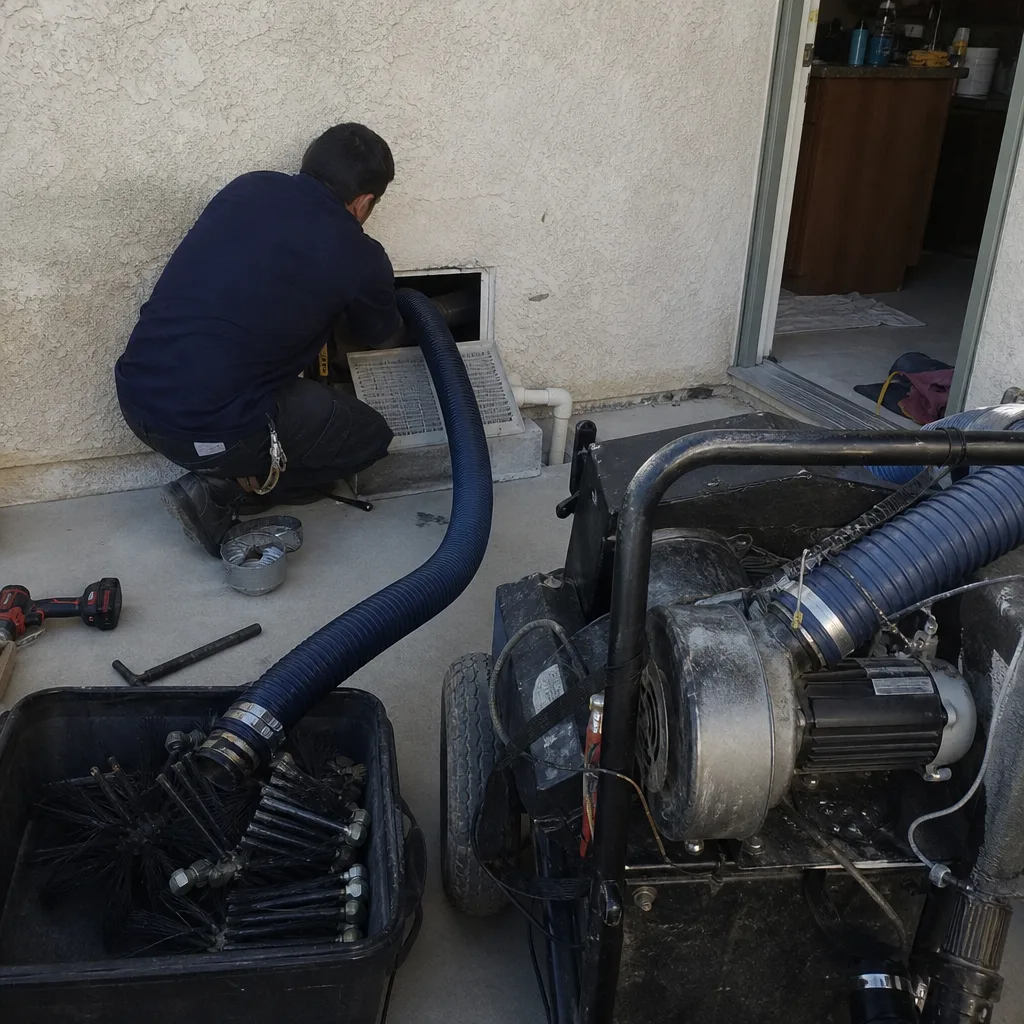
The point here isn’t to alarm you. It’s to correct the assumption that “dust is dust.” The material in a Jurupa Valley duct system has a specific composition, and removing it requires equipment matched to that composition. A brush agitation system paired with HEPA vacuum extraction, like the Rotobrush and Nikro systems we run, removes this material. An air whip alone does not.
Contact Cleaning vs. Air-Whip Blowout: The Real Difference
There are two fundamentally different approaches to duct cleaning, and understanding the difference is the single most important part of hiring a contractor. We’ll lay it out directly because this is where most homeowners get misled.
The air-whip blowout method. A technician inserts a compressor hose with a whip attachment into each register. The whip spins and blows compressed air into the duct, trying to dislodge debris. A vacuum is often placed at one point in the system, usually the main trunk line near the furnace. This is the method behind most $99 and $149 duct cleaning specials.
The problem: compressed air is not contact cleaning. It dislodges the loose surface layer, but the embedded dust that’s compacted into the flex duct liner ridges stays. Worse, the debris that does get dislodged has to travel through the duct system to reach the single vacuum point. A significant portion of it settles again before it gets there. The cleaning essentially relocates dust from the branch lines to the trunk lines, or into the air handler itself. Some of it may even get blown into your home if the negative pressure setup isn’t correct.
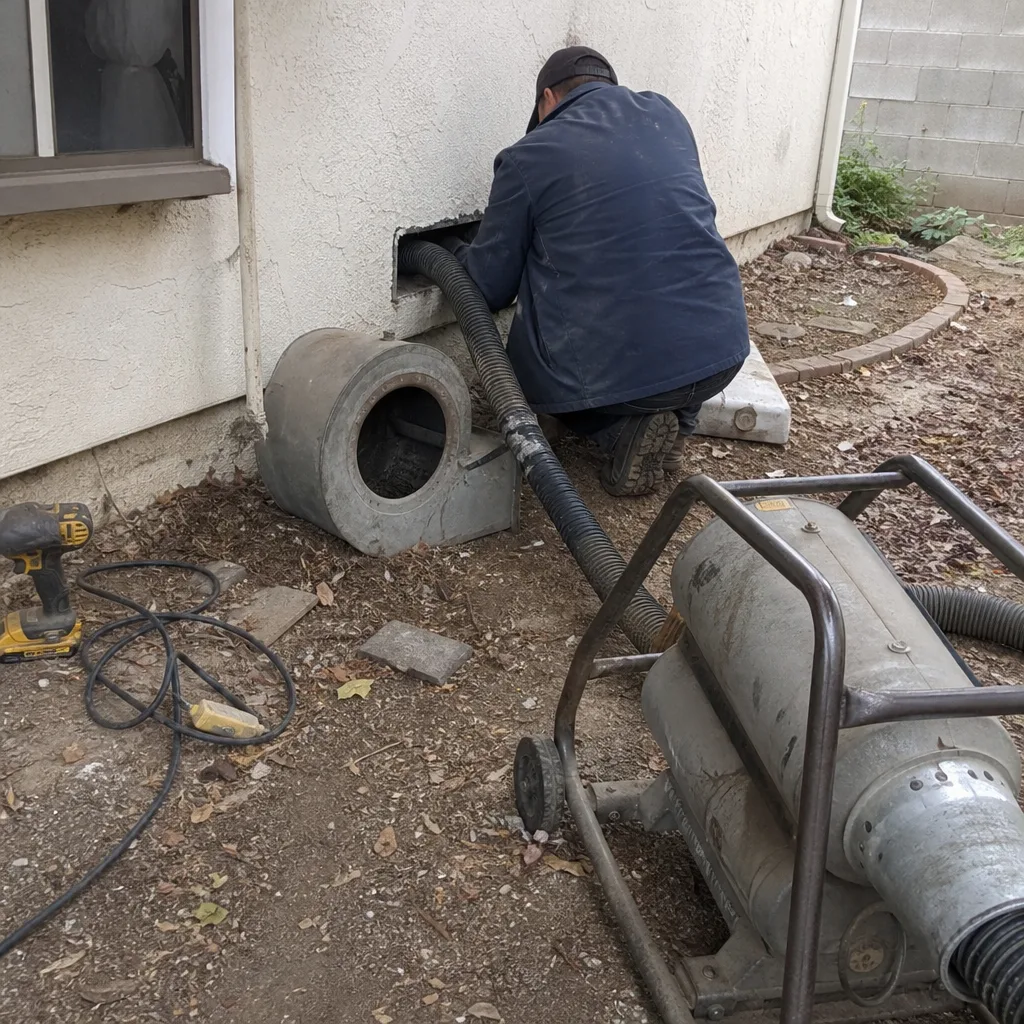
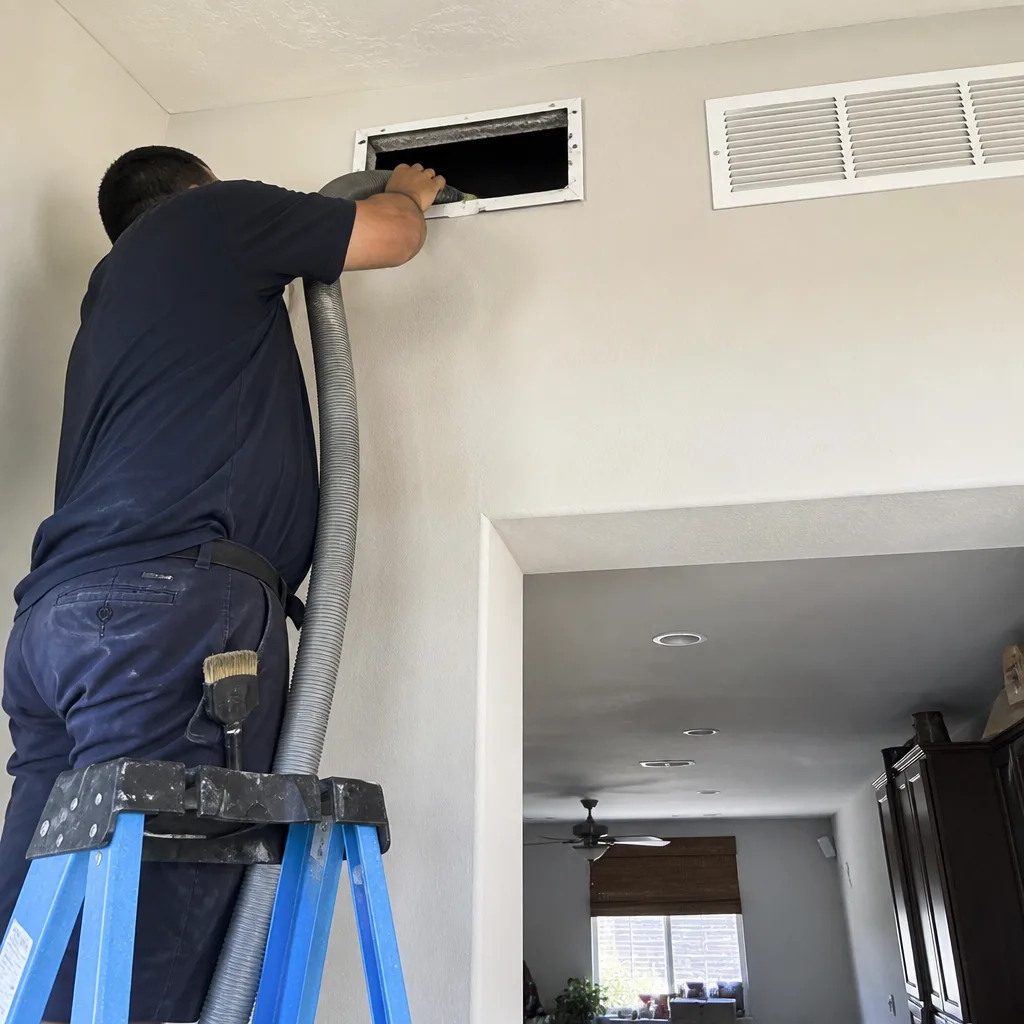
The contact-cleaning method. This is what the Rotobrush system does. A rotating brush head physically contacts the inner surface of the duct, agitating and removing the embedded debris layer. The brush head is connected to a vacuum hose that simultaneously extracts the loosened material. The agitation and extraction happen at the same point, in the same moment. Debris doesn’t travel through the system; it’s removed at the source.
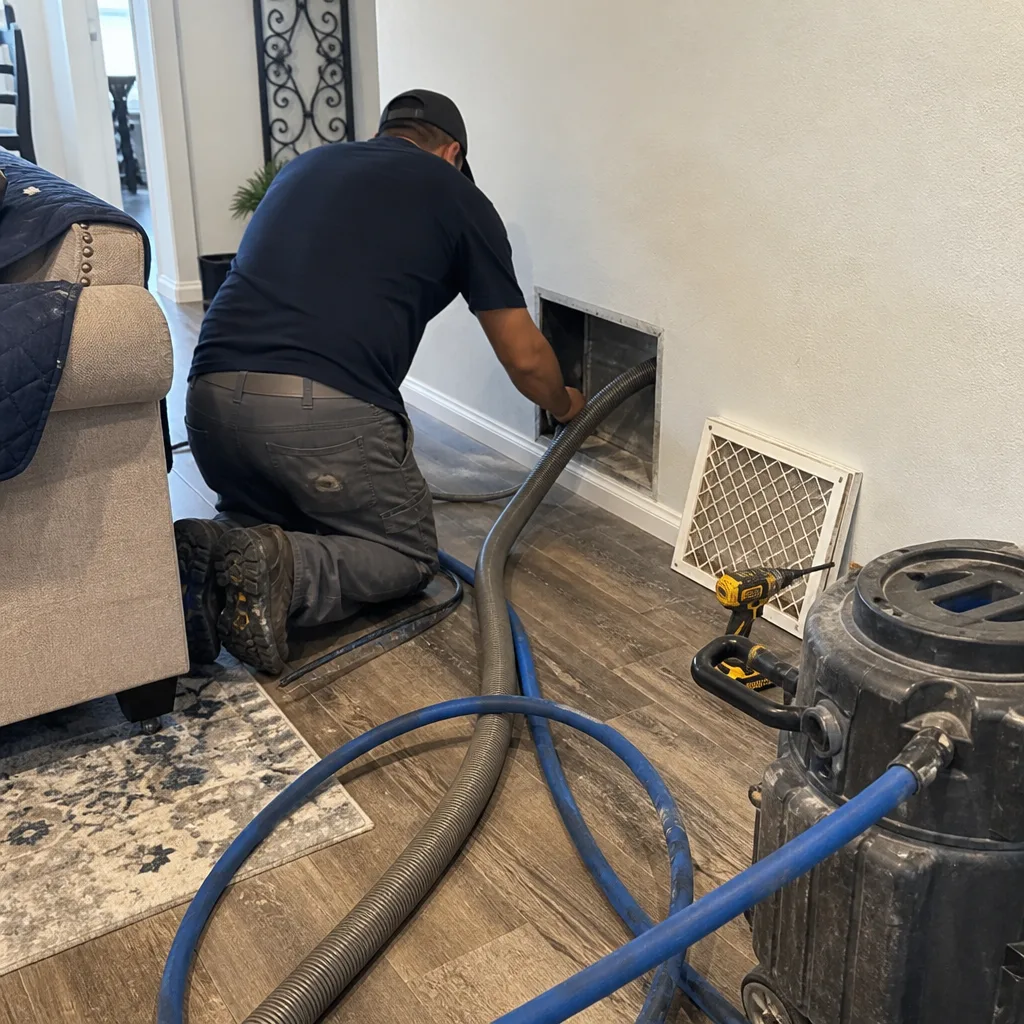
When we pair contact cleaning with a Nikro HEPA-rated negative air system and Abatement Technologies filtration, the house is maintained under negative pressure throughout the job. That means any airborne particulate generated during cleaning is drawn into the HEPA filtration, not into your living space. This is the equipment standard that separates professional-grade duct cleaning from a blowout, and it’s the standard we hold at Mainstreet Air Duct Cleaning for every home we service in Jurupa Valley.
How a Proper Duct Cleaning Works: Step-by-Step
If you’ve never had your ducts professionally cleaned, it helps to know what a legitimate job looks like. This is the process we follow, and it’s what you should expect from any contractor you hire:
- Pre-cleaning inspection. The technician should inspect the system before touching anything. That includes removing a register or two to look inside the duct, checking the air handler and blower, and noting the condition of the flex duct runs. In Jurupa Valley tract homes, this typically means checking both the accessible trunk line and at least a few branch runs, since that’s where debris concentrates.
- System access and protection. The technician should cut access ports into the main supply and return trunks if they aren’t already present. Floors and the work area should be protected. The system’s registers should be sealed or removed systematically to maintain proper negative pressure.
- Negative pressure setup. A HEPA-filtered vacuum system, in our case Nikro equipment, is connected to the main trunk. This puts the entire duct system under negative pressure so that debris released during cleaning is drawn toward the vacuum, not pushed into the house.
- Contact agitation and extraction. A Rotobrush head travels through each branch line, physically contacting the duct walls and extracting debris at the point of contact. This is the core of the job. In a typical Jurupa Valley home with 10-14 branch runs, this takes one to two hours, not the 45 minutes a blowout operator quotes.
- Trunk line and return cleaning. Once the branch lines are done, the main trunk and return runs are cleaned, including the return drop into the air handler. This is where a lot of heavier debris accumulates, and blowout operators often skip it entirely because their single vacuum point is already there.
- Air handler and blower inspection. The blower wheel and housing should be accessed and manually cleaned or at minimum inspected. Dust collect on blower wheel vanes and reduces airflow and system efficiency.
- Filter replacement or upgrade. The technician should note what filter size and MERV rating you’re using, and recommend the appropriate level. If you’re running a Honeywell or Aprilaire media filter cabinet, the recommendation will be specific to that system.
- Post-cleaning verification. The technician should walk you through before-and-after photos or video from inside the ducts, including the branch lines. This is the proof step that separates a real cleaning from a claim.
This process typically takes four to six hours for a standard Jurupa Valley home. It’s not a 90-minute stop. That longer time is the difference between surface work and a system that’s actually clean.
Reading Your HVAC Filter: What It Tells You Before You Call
Your HVAC filter is the cheapest diagnostic tool in your home. It’s a proxy for what’s moving through your air and what’s built up in your ducts. Here’s how to read it, specifically for Jurupa Valley conditions:
If your filter looks uniformly grey-brown after 30 days: That’s fine mineral dust. In Jurupa Valley, this is the airborne silt that blows off the open fields and the river wash. It means your ducts are likely holding the same material, compacted into the liner. A standard 1-inch filter catches the coarser particles, but a good portion of this material passes through and accumulates in the duct system.
If your filter is darker in the center or has a grey-black cast: That suggests diesel particulate from the freeway and warehouse corridors. Homes near the 60, particularly in sections of the city close to the Mira Loma area, show this pattern. If your filter darkens significantly in 30 days, your return ducts are pulling in outdoor air and the ducts themselves are accumulating the same material.
If your filter is matted or clogged sooner than its rated lifespan: That’s a sign of high particulate load in the home, which typically means the duct system is already carrying a significant dust burden and redistributing it. Changing the filter more often helps, but it doesn’t remove what’s already in the ducts.
If you’re using a Honeywell or Aprilaire media cabinet with a 4-inch or 5-inch filter: Your filter is doing more work than a standard 1-inch filter, but it’s also masking duct contamination. These systems filter return air before it hits the equipment, which is good for the equipment. They don’t clean the supply ducts, which is where most accumulated debris sits. We work around these systems regularly in Jurupa Valley homes, and the supply-side ducts still need mechanical cleaning regardless of how good the filtration is.
The practical takeaway: pull your filter once a month and look at it. If it’s carrying the signature Jurupa Valley dust load described above, that’s a signal that your ducts are accumulating the same material, and a cleaning is likely overdue. This is one of the free diagnostic steps we walk homeowners through before they ever schedule a service with us.
What Legitimate Pre- and Post-Cleaning Verification Looks Like
The most common question we get from Jurupa Valley homeowners is some version of: “How do I know the work was actually done?” It’s a fair question. Ducts are invisible once the registers go back on. A shoddy operator can spend an hour making noise and leave the system 70% dirty.
Here’s what legitimate verification looks like. This is the standard you should demand from any contractor:
Pre-cleaning photo documentation. Before any cleaning starts, the technician should document the condition of the ducts. That means photos or video from inside the branch lines, not just the trunk line. The branch lines are where the contamination lives. If a contractor only shows you the trunk, or no pre-photos at all, they’re not prepared to prove they did anything.
Post-cleaning photo documentation of the same locations. The after photos should show the same duct runs, from the same angle. You should be able to see the difference: clean liner material instead of dust coating, no debris piles in the low points. We take before-and-after photos of every branch line we clean in Jurupa Valley homes and provide them to the homeowner at the end of the job.
Camera inspection of branch lines. The Rotobrush system we run can feed a camera through the branch lines after cleaning to show the result. The duct liner should look like the material it started as, whether that’s foil, insulation-backed flex, or hard pipe. You should not see dust streaking, debris accumulation at joints, or material left in the low points where the flex duct sags between supports.
Physical debris removal. A legitimate cleaning produces physical evidence: the HEPA vacuum canister fills with material that came out of your system. You should be able to see what was removed. We show every Jurupa Valley customer what came out of their ducts, both in the collection canister and in the before-and-after photos.
If a contractor can’t or won’t provide this documentation, or provides vague “here’s your clean system” language without images, treat that as a red flag. You have no verifiable way to know the work was done. The Mainstreet standard is simple: we show you what we removed. Not just the registers you can see, but the branch lines you can’t.
What Air Duct Cleaning Actually Costs in Jurupa Valley
Let’s talk about the number everyone actually wants. Here’s the honest range for Jurupa Valley, based on the equipment and process described in this guide:
- Single system, 1,200 to 1,800 square feet: $450 to $600. This covers one air handler, roughly 8 to 10 registers, and the associated branch and trunk lines.
- Single system, 1,800 to 2,800 square feet: $600 to $800. This covers 10 to 14 registers and the larger trunk runs typical of two-story tract homes.
- Larger homes or two-system homes: $800 to $1,200 plus. Homes with dual HVAC systems, or larger single systems with long flex runs, cost more simply because there’s more ductwork.
- Dryer vent cleaning as a standalone add-on: $75 to $150. Mainstreet Air Duct Cleaning offers dryer vent work alongside duct cleaning rather than subcontracting it, and it’s the single highest-value add-on for fire safety.
- Air duct repair, if needed: Varies by scope. If inspection finds damaged flex runs, disconnected joints, or collapsed sections, repair is separate from cleaning. We do this work in-house, which means one crew handles both the cleaning and the fix instead of sending you to another contractor.
Now the important context. The $99 and $149 duct cleaning coupons that arrive in Jurupa Valley mailboxes are not in the same category of service. Those are loss leaders designed to get a technician in the door, after which the upsell pressure begins. The math doesn’t work: a legitimate cleaning takes four to six hours with equipment that costs tens of thousands of dollars. No company operates at a net loss on a $99 job unless they’re either doing a 45-minute blowout or planning to make the money back through fear-based add-ons. Both are bad for the homeowner.
Our advice is not to choose the cheapest or the most expensive. It’s to choose the contractor who can tell you in detail what they’re going to do, and who will show you the result. A detailed process description and photo verification are worth far more than a low intro price.
Red Flags Specific to Jurupa Valley Providers
This market has specific characteristics that make it a target for low-quality duct cleaning operators. The housing stock is consistent tract construction, which means operators can template their approach. The population is dense enough to support volume marketing. And the air quality gives every resident a legitimate concern, which can be exploited with scare tactics.
Here are the red flags to watch for, specific to Jurupa Valley:
- Pricing based on per-vent or per-register counts without inspecting the home. A legitimate contractor needs to see the system before quoting. Quote-over-the-phone pricing that doesn’t change after inspection is a sign of a template operator, not a professional assessment.
- No named equipment. Ask what brand and type of equipment the contractor uses. If they can’t name it, or say vague things like “commercial vacuum,” they’re running a shop-vac and a hose. Professional companies name their equipment: Rotobrush, Nikro, Abatement Technologies. We name ours because it matters.
- Claims of full-home cleaning in under two hours. A legitimate contact cleaning of a standard Jurupa Valley tract home takes four to six hours. A two-hour timeframe means a blowout, period.
- No post-job photo verification. If the contractor doesn’t offer or won’t promise camera verification of cleaned branch lines, assume they’re hiding the result. The technology exists. There’s no reason not to use it except that you don’t want the homeowner to see what wasn’t cleaned.
- Fear-based upsell pressure during the job. The “we found mold in your system” script is common. Legitimate contractors show you what they found, document it, and tell you whether it’s actually a problem. Not every dark spot is mold. Not every mold-like substance requires remediation. A contractor who leans into panic is selling something beyond cleaning.
- No local presence or local knowledge. Ask specifically about Jurupa Valley housing stock, the flex duct common to the area, the dust load from the freeway corridors. A contractor who’s actually working in this city can answer those questions. A call-center dispatcher can’t.
Common Mistakes to Avoid
- Choosing based on coupon price alone. The bait-and-switch reputation of this industry exists because the $99 coupon model works: it gets the truck in the driveway. Understand that you’re getting a 45-minute blowout that relocates debris, not a cleaning. Real work costs real money.
- Skipping the dryer vent because “someone else can do it.” We find that most duct-only companies in Jurupa Valley either skip vent work or subcontract it to an unknown tech. Lint buildup in dryer vents is a leading cause of house fires, and the risk is higher in the valley’s dry heat. If you’re having ducts cleaned, have the vent done at the same time by the same crew.
- Assuming new construction means clean ducts. Newer Jurupa Valley homes, particularly in the developments along Bellegrave and the newer sections near the 60, often have construction debris in the ducts from day one. Drywall dust and sawdust get swept into vents during construction. A new home can be as dirty as a 20-year-old one.
- Sealing all registers and never opening them. Some homeowners close off registers in unused rooms to save energy, and then leave them closed for years. The stagnant air in those runs allows dust to settle and compact. When you eventually open them, you’re blowing years of accumulated particulate into the room. Open registers periodically, even in unused rooms.
- Not replacing filters after cleaning. A freshly cleaned duct system with a clogged filter is self-defeating. Replace the filter at the time of cleaning, and upgrade to a better one if you can, especially if you’re running a Honeywell or Aprilaire media cabinet that supports higher MERV ratings.
- Believing duct cleaning is a once-a-decade event. In Jurupa Valley conditions, we recommend every three to five years depending on the home’s proximity to freeway corridors, pet load, and whether you’ve had recent construction. Homes within a quarter mile of truck routes should lean toward three years.
- Hiring a contractor who doesn’t inspect before cleaning. Any legitimate duct cleaning starts with an inspection. If the technician arrives and immediately starts cutting holes and running equipment without first looking at the system, that’s a problem. The pre-inspection determines what needs to be done and whether repair is needed.
When to Call a Professional
Some things are worth attempting yourself. Duct cleaning isn’t one of them. The inside of your duct system is inaccessible without professional equipment, and doing the job correctly requires negative pressure management, contact agitation tools, and camera verification. A shop-vac in a register does nothing except give you a false sense of accomplishment.
Call a professional if you notice any of these: visible dust blowing from registers when the system runs, rooms that collect dust faster than others, a persistent musty or burning smell from the HVAC, allergy symptoms that worsen when the system is on, or a filter that’s clogging noticeably faster than normal. If you’ve had construction or renovation work done, particularly drywall or flooring work, have the ducts inspected even if the contractor claims they covered the registers. And if you’ve noticed a dryer taking longer than 45 minutes to dry a normal load, have the vent cleaned at the same time.
Mainstreet Air Duct Cleaning offers free estimates in Jurupa Valley. We’re a Mainstreet Air Duct Cleaning home team serving the entire city and nearby communities, and we provide air duct cleaning in Jurupa Valley using Rotobrush contact-cleaning and Nikro HEPA vacuum systems. We also offer dryer vent cleaning in Jurupa Valley as a standalone service, and air duct repair in Jurupa Valley for systems that need more than cleaning. Call (877) 358-3053 for a free estimate.
Frequently Asked Questions
Every three to five years is the right interval for most Jurupa Valley homes, depending on proximity to freeway corridors, pet load, and whether you’ve had recent construction. Homes within a quarter mile of the 60 freeway or major truck routes should lean toward three years because diesel particulate loads are higher. Homes with multiple pets or recent renovation work should also clean sooner. A home in a quiet residential section with no pets and no construction can sometimes go five years.
Expect $450 to $850 for a proper whole-home cleaning of a typical 1,500 to 2,800 square foot Jurupa Valley home, with larger or dual-system homes running $800 to $1,200. This covers the professional-grade equipment and four to six hour process described above. Anything under $200 is a blowout service that won’t remove the embedded debris from your flex duct liner. Call our Jurupa Valley duct cleaning team at (877) 358-3053 for an exact quote, estimates are free.
The cheaper quotes are typically for air-whip blowouts that take 45 to 90 minutes and don’t remove embedded debris from the duct liner. They use a compressor hose and a single vacuum point, which means dislodged debris travels through the system and resettles. A contact-cleaning job with Rotobrush equipment and HEPA negative pressure takes four to six hours and removes debris at the point of contact. The price difference reflects the equipment cost and the time. There’s no way to do a legitimate cleaning for $99; the math doesn’t work.
Demand before-and-after photos or video from inside the branch lines, not just the trunk. The after photos should show clean liner material in the same locations where the before photos showed dust accumulation. A legitimate contractor will provide this documentation as standard practice. We use camera verification through the Rotobrush system we run and show every Jurupa Valley customer what was removed from their system.
It can, but only if the cleaning removes the accumulated allergen load rather than redistributing it. When contact cleaning and HEPA extraction remove pet dander, dust mite material, and fine particulate that’s been accumulating in the duct liner, allergy sufferers often notice a difference within days. A surface blowout doesn’t provide the same benefit because the embedded allergen load stays in the duct. In our experience with Jurupa Valley homes, where the outdoor particulate load is high year-round, a proper cleaning is one of the few interventions that addresses what’s already inside the system.
Yes. Our technicians work with and around these premium filtration systems regularly in Jurupa Valley homes. The filtration system protects the HVAC equipment from return air contamination, but it doesn’t clean the supply ducts. The supply-side ductwork still accumulates debris and still needs mechanical cleaning. We’ll inspect the filtration system during the job and make sure the cleaning doesn’t damage or bypass it, and we’ll recommend a filter replacement schedule specific to your system.
The Bottom Line
Your duct system in Jurupa Valley is a product of this specific environment: desert-adjacent heat, freeway and warehouse particulate, dry-season dust storms, and tract-home flex duct construction that traps fine debris in its liner. Generic duct cleaning advice doesn’t account for any of that. The right approach here is contact cleaning with professional-grade equipment, paired with HEPA extraction and camera verification, done by a crew that understands what’s actually inside the ducts of this city’s housing stock. Not a shop-vac and a coupon. If you’re going to have the work done, have it done in a way you can verify. That’s the Mainstreet standard, and it’s what we’ve built our service around in this community. For more guides & resources on keeping your indoor air clean, visit our blog.
Written by the team at Mainstreet Air Duct Cleaning, serving Jurupa Valley since 2011.
See the difference
 Before
 After
 Before
 After
 Before
 After