
Last updated November 2, 2026
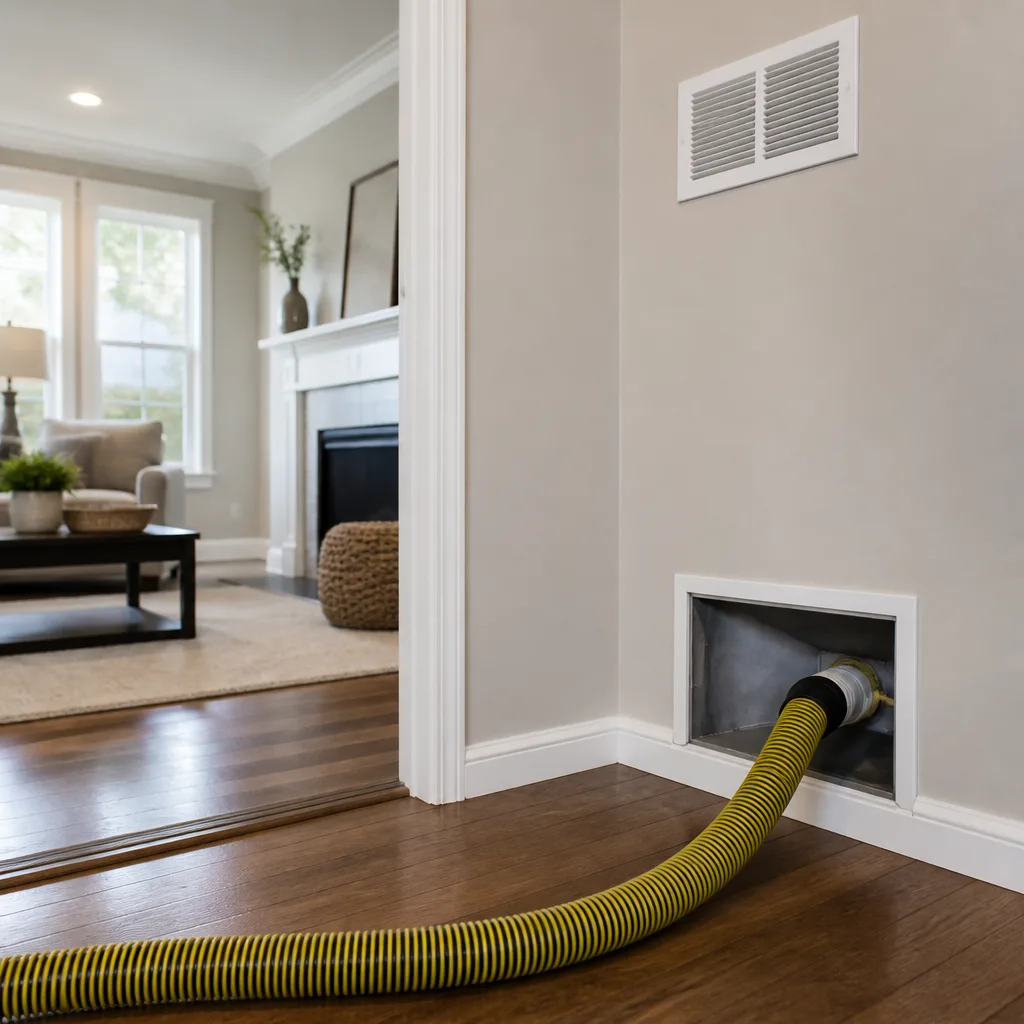 Whole-home duct cleaning
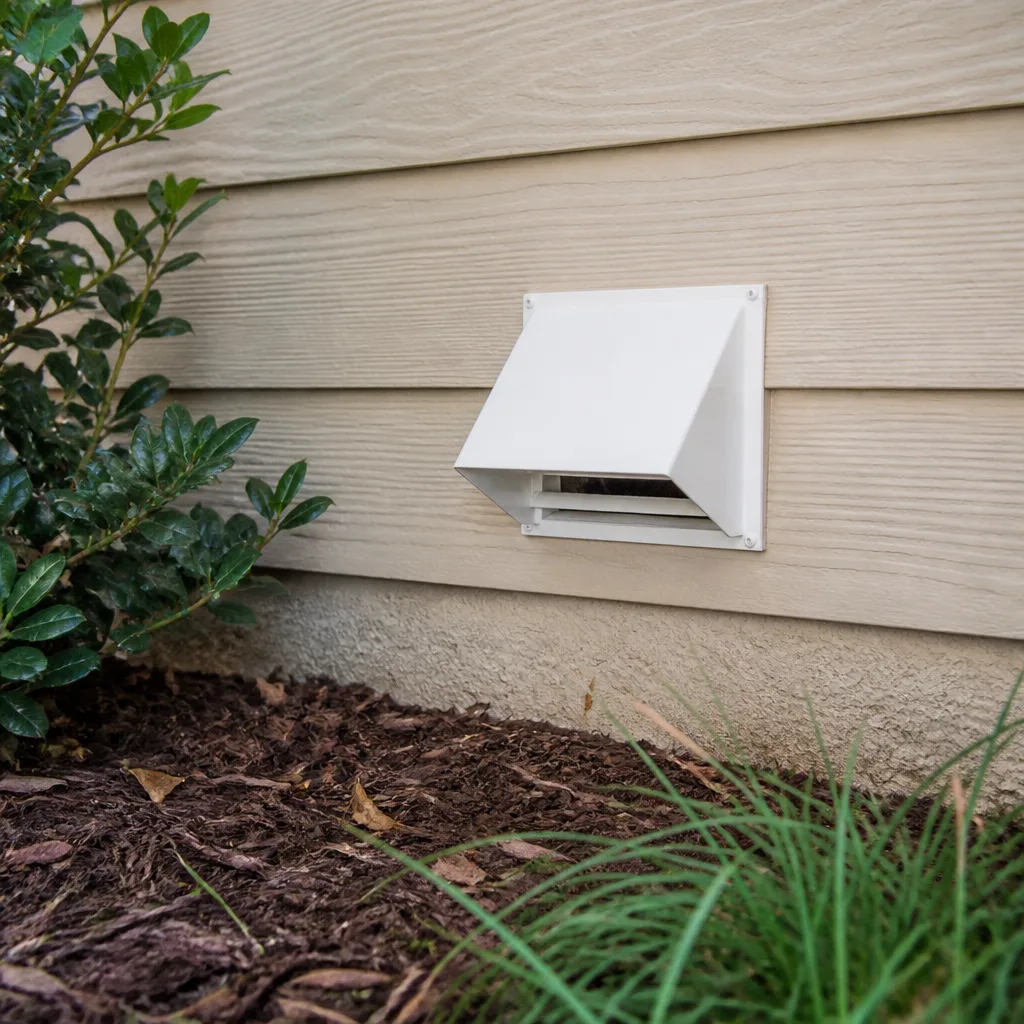 Dryer vent cleaning
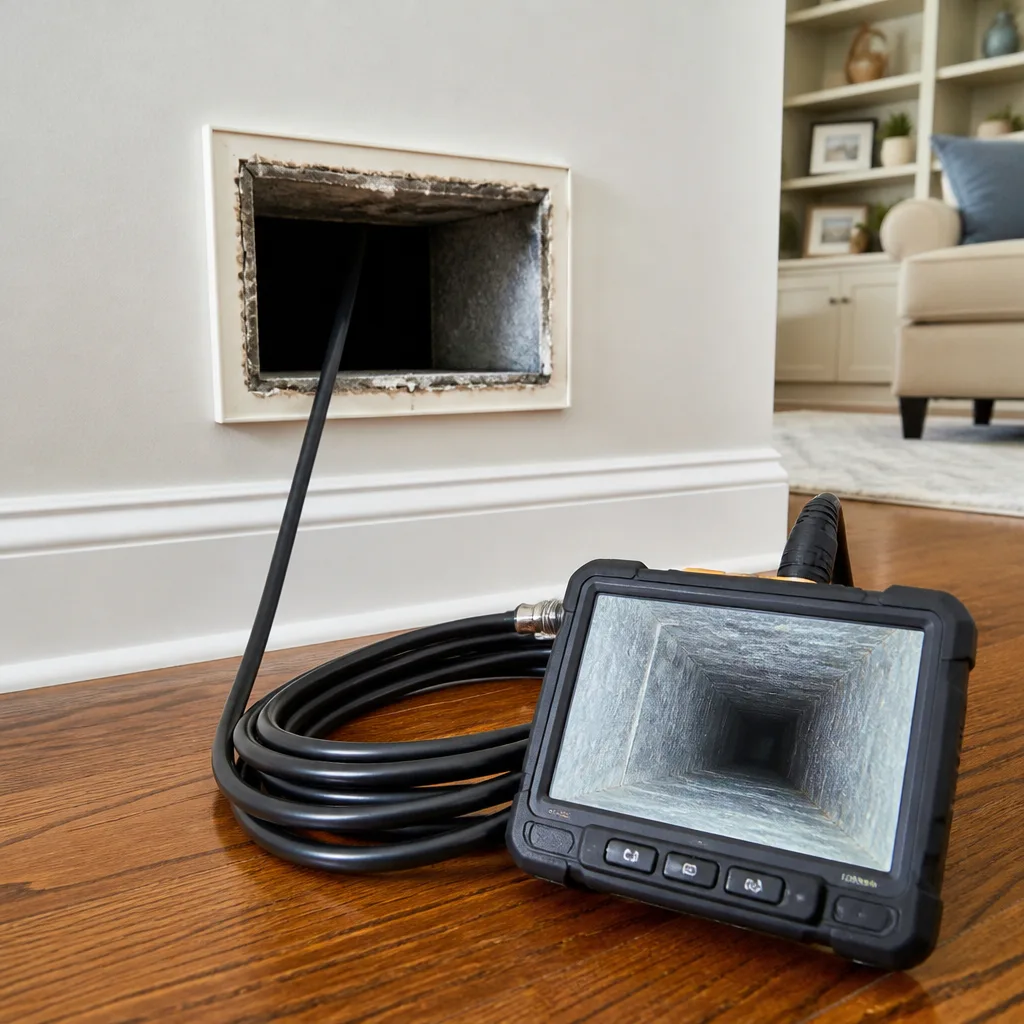 Camera inspection
 Sanitizing & deodorizing
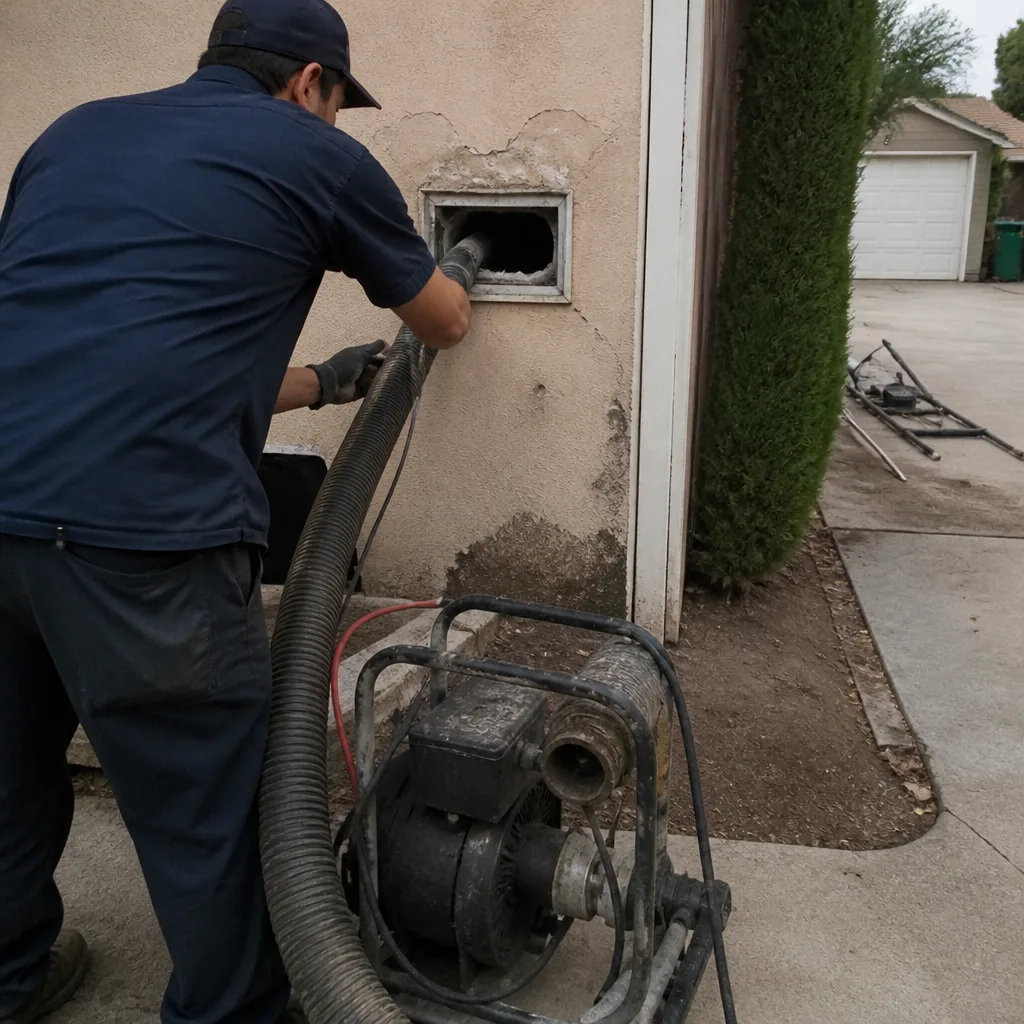
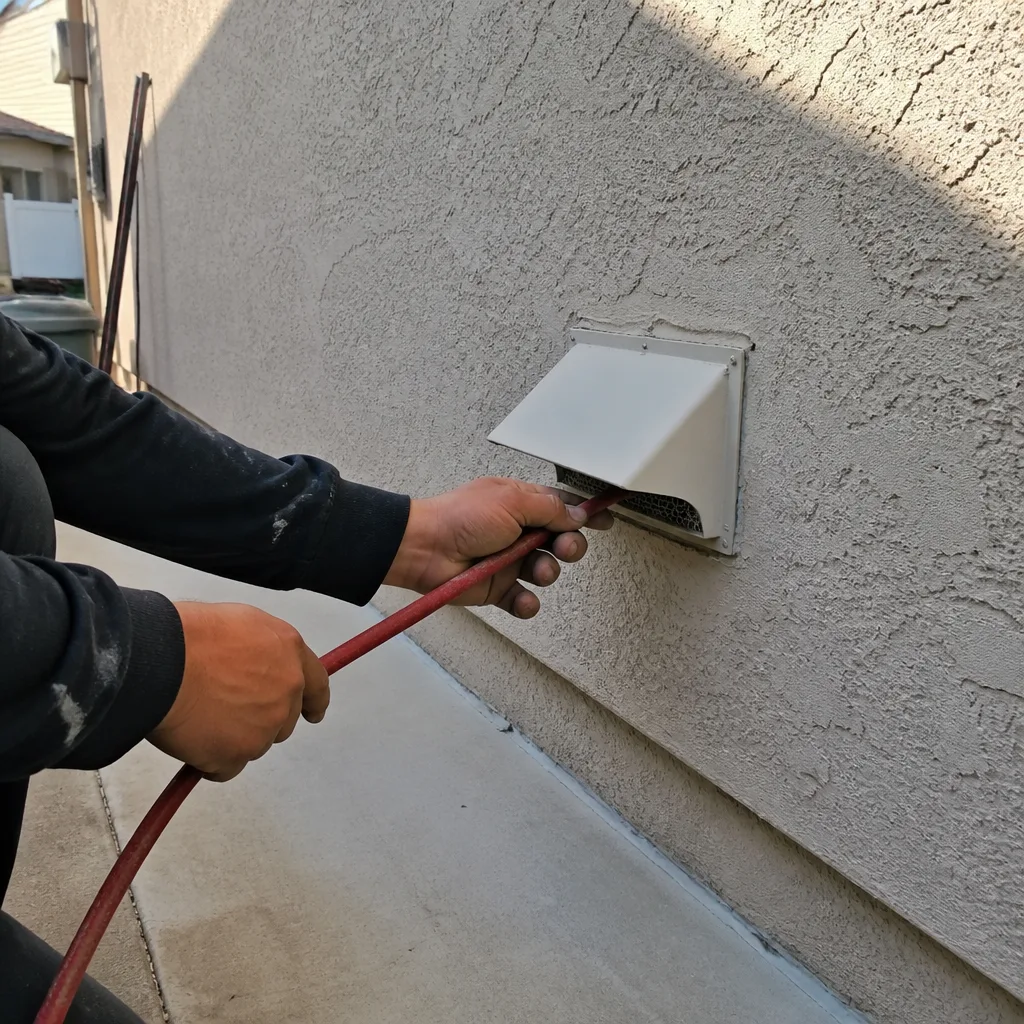
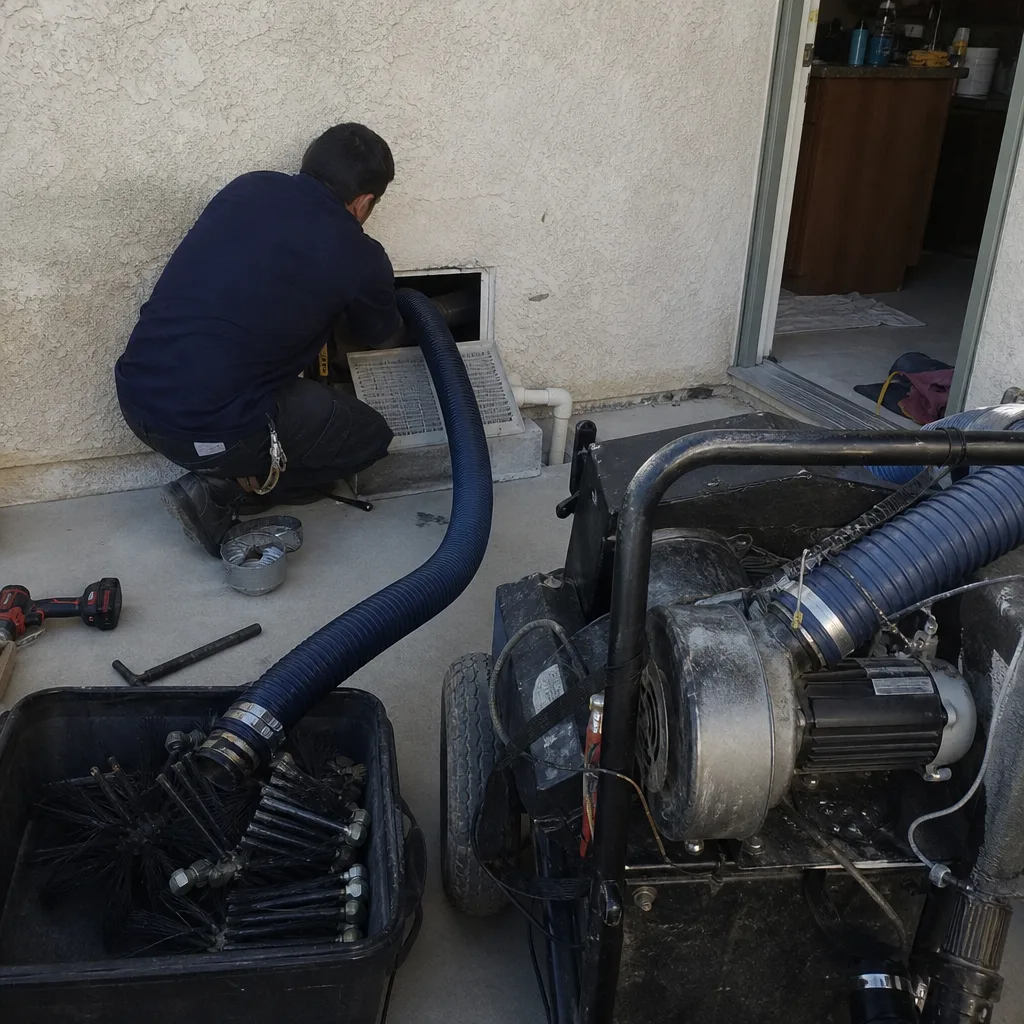
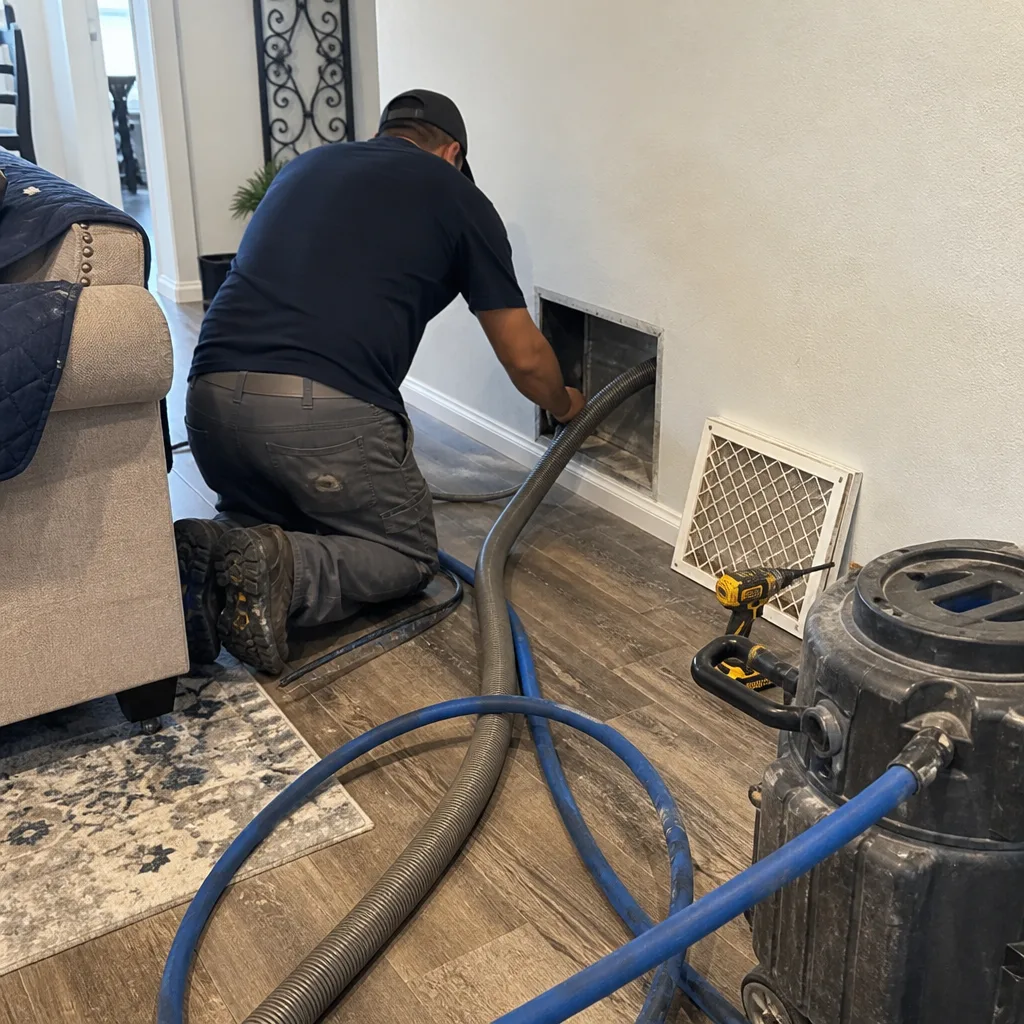
Whole-system duct and dryer vent check with before-and-after photos - you see exactly what came out of your vents
That "$99 whole-house special" is a bait ad - the real number appears once they are in your hallway, or the "clean" is a shop-vac at the register. We photograph the inside of your ducts before and after instead.
Air Duct Cleaning Emergency Preparedness Guide for Jurupa Valley Homes
Most Jurupa Valley homeowners think of air duct cleaning as a five-year maintenance item. That assumption gets expensive after a wind event or wildfire smoke episode, because the duct system in your house doesn’t only collect hair and household dust. It acts as a negative-pressure collection chamber for whatever is happening outside. During the 2020 and 2021 wildfire seasons, Inland Empire air quality monitors recorded PM2.5 infiltration events that lasted for days. Homes across Jurupa Valley that ran HVAC systems during those windows pulled combustion particulates directly into fiberglass duct liner, where the residue continued off-gassing for months afterward. This guide explains what to do the day after an event, what to document, and how to verify that a post-event duct cleaning actually matched the contamination you experienced.
Styles & brands we work with
- Whole-home duct cleaning
- Dryer vent cleaning
- Camera inspection
- Sanitizing & deodorizing
Quick Answer
After a wildfire smoke, windstorm, or nearby construction event in Jurupa Valley, the first step is to shut down the HVAC system and switch the thermostat fan to OFF until you can confirm whether outdoor contaminants entered the return air path. Insulated flex duct and fiberboard plenum liners trap smoke and silica dust particles that release odors and irritants for weeks after the outdoor air clears. A professional post-event duct inspection determines whether cleaning is necessary, and a smoke-specific cleaning protocol using HEPA extraction is different from routine maintenance cleaning. If you’re unsure whether contamination reached your system, call (877) 358-3053 for a no-cost assessment from someone who carries equipment built specifically for post-event particulate recovery.
Table of Contents
- The Jurupa Valley Shutdown Decision Tree: When to Kill the HVAC
- What Wildfire Smoke Does Inside a Duct System
- Construction Events and Return Air Contamination
- First 24 Hours After a Contamination Event: Emergency Steps
- How to Verify Post-Event Duct Cleaning Matched the Contamination
- Why Equipment Matters More After an Event Than During Routine Cleaning
- Documenting Duct Contamination for Insurance Claims
- Common Mistakes to Avoid
- When to Call a Professional
- Frequently Asked Questions
- The Bottom Line
The Jurupa Valley Shutdown Decision Tree: When to Kill the HVAC
In Jurupa Valley, the surrounding geography amplifies what would be a minor air quality blip elsewhere. The Santa Ana winds channel particulates through the Santa Ana River corridor, and the Mira Loma and Pedley areas sit directly in that path. Add nearby grading operations, quarry activity in the hills, and the region’s recurring wildfire seasons, and you get conditions where a single afternoon can load a surprising amount of material into a return air system.
Here’s the decision sequence we walk our clients through when they call after an event:
- Is there visible smoke haze or dust outside that reduces visibility to less than a mile? If yes, shut the system down immediately. HVAC blowers pull 400 to 2,000 cubic feet per minute through the return registers. That’s a lot of outdoor air being drawn through door gaps and window seals.
- Can you smell smoke indoors with windows closed? If yes, the house envelope is already leaking enough to matter. Running the blower makes it worse by pulling contaminated air into the return ducts and forcing it through the filter at 300 to 500 feet per minute.
- Is there active grading, demolition, or excavation within 500 feet of your home? Silica dust from earthmoving is heavier than smoke but smaller than household dust. It settles in duct runs and blower cabinets and does not come out with a standard brushing-only pass. Shut the system down until the active phase is over and you can verify the return registers were not in the direct dust plume path.
- Was the event longer than 6 hours? Short smoke episodes that lasted under 6 hours with a quality MERV 11 or better filter in place may not require a full duct cleaning, but the filter should be replaced and the return plenum inspected. Longer events, especially multi-day smoke advisories, almost always warrant a professional inspection. The duct liner and filter media accumulate material over time, and a filter change doesn’t address what already passed through before the filter loaded.
- Did the HVAC system run at all during the event? This is the single biggest variable. A system that stayed off for the entire event may need nothing more than a filter swap and a quick visual check. A system that ran for 12 hours during peak smoke pulled measurable material into the duct liner, blower wheel, and evaporator coil.
If you’re in the Rubidoux, Sunnyslope, or Indian Hills neighborhoods and you answer yes to items 1, 2, or 3, the smart move is a shutdown plus a phone call. We look at post-event duct systems the way a mechanic looks at a car after flood exposure – not with assumptions, but with a checklist for the specific contaminant.
What Wildfire Smoke Does Inside a Duct System
Jurupa Valley gets smoke from fires in the San Bernardino National Forest, the Angeles National Forest, and occasionally from controlled burns in Riverside County. The smoke that reaches your house is chemically different from household dust. Combustion particulate contains volatile organic compounds (VOCs), polycyclic aromatic hydrocarbons (PAHs), and fine carbon particles that interact with duct materials in ways regular dust never will.
Three things happen inside a residential duct system during a smoke infiltration event:
- Carbon particulate bonds to fiberglass duct liner. Fiberglass liner is a porous, fibrous surface. Smoke particles under 2.5 microns wedge into the fiber matrix. A standard compressed-air blowout or a basic brushing pass does not remove these particles. They require agitation plus HEPA extraction to pull them out of the liner, not just flatten them deeper.
- VOCs adsorb onto dust that is already in the ducts. The dust you already had in the system becomes a carrier. Smoke odors settle onto that dust, and the odor returns every time the blower runs, sometimes for 6 to 12 months after the fire is out. This is why homeowners smell smoke indoors months after the outdoor air cleared.
- The blower wheel and evaporator coil pick up a film. Smoke residue is slightly tacky. It adheres to the blower wheel vanes and the coil fins, which are already accumulating household oils and skin particles. The film reduces airflow and holds odor. A duct cleaning that skips the blower cabinet and the coil leaves the smell source untouched.
Here’s what matters for post-smoke cleaning: standard maintenance cleaning protocols are designed for gray household dust, dander, and textile fibers. Combustion particulate is smaller, stickier, and chemically active. At Mainstreet Air Duct Cleaning, post-smoke calls in Jurupa Valley get a protocol that uses Rotobrush contact agitation on the duct walls, paired with Nikro HEPA vacuum extraction at the return plenum, so material is removed rather than stirred up. We also check the evaporator coil and the blower cabinet. We surface this as transparently as we can: if someone tells you a basic package cleans smoke residue, ask them how they plan to treat the coil and the liner. The answer tells you everything.
Construction Events and Return Air Contamination
Jurupa Valley has seen steady infill construction and large lot grading, especially south of Limonite Avenue and near the new development pockets west of the 15. When a dozer grades an adjacent lot, the dust plume is not just dirt. It is a mix of native soil (high in silicates), sometimes older building material from demolition, and whatever was in the topsoil.
Construction silica dust behaves differently in a duct system than either household dust or smoke. It is heavier than organic dust, which means it settles in the low points of duct runs, the return air plenum, and the filter cabinet rather than staying airborne. It is also abrasive. A high velocity HVAC system blowing through a return drop with settled silica will slowly erode the duct material and redistribute the dust through the house.
Here’s what to document if you are within 500 feet of active grading, demolition, or excavation and you suspect return air contamination:
- Photograph the dust plume and the equipment working. Include timestamps. Insurance adjusters and contractors respond to documentation, not descriptions.
- Note the wind direction on the day of the event. If the plume moved toward your house and your HVAC was running, that is a material fact for any claim or contractor negotiation.
- Check your air filter immediately. A filter that went from light gray to brown or tan in a single day is evidence of a heavy dust load. Document the filter change with a photo, and keep the old filter in a plastic bag.
- Check the return registers closest to the construction side. Pull one return grille and look at the inside of the return boot. If you see sandy, gritty material, it is in the system.
- Contact the contractor or project manager in writing. Even if you choose not to pursue a claim, a written record with dates protects you if the contamination recurs.
Here’s a practical point from the field: silica dust does not respond well to vacuum-only recovery. It packs into duct corners and needs mechanical agitation to loosen. Our crews have seen Jurupa Valley return systems that looked fine from the register but held a half inch of sand-like material in the bottom of the return trunk. If you have had construction next door and you are changing filters every 2 weeks while the rooms stay dusty, that is a strong signal the return side is contaminated.
First 24 Hours After a Contamination Event: Emergency Steps
This is the section we wish every Jurupa Valley homeowner had bookmarked before an event. The first 24 hours determine how much material enters the duct system and how hard it is to remove later. You do not need special tools for this. You need to move fast and deliberately.
- Shut the HVAC system off at the thermostat. Not just COOL or HEAT – set the fan to OFF so the blower does not cycle. This stops the system from pulling contaminated air through the return side and distributing it through the supply ducts.
- Close all exterior doors and windows. In Jurupa Valley, afternoon wind shifts are common. A window cracked on the upwind side of the house during a smoke event acts like a return air intake.
- Do not run bathroom exhaust fans or the kitchen range hood. These pull air out of the house, which creates negative pressure indoors and draws contaminated outdoor air in through every crack. Wait until the outdoor air clears before using exhaust ventilation.
- Replace the HVAC filter immediately. Do not run the system with a loaded filter. A saturated filter restricts airflow and can cause the blower to pull from unintended paths, like a gap in the filter cabinet. Keep the old filter sealed in a plastic bag for documentation. If you run a Honeywell or Aprilaire media cabinet, note the filter depth and MERV rating so you replace it with the same spec, not the thinnest thing on the shelf.
- Wipe horizontal surfaces, but do not vacuum with a non-HEPA vacuum. A standard household vacuum without a HEPA exhaust filter will redistribut fine combustion particles into the air, where they can re-enter the return path. Wipe with a damp cloth. Wait for the pros before running a vacuum.
- Mark the event date and approximate duration. Write it down. When you call a duct cleaning company, the first thing a competent tech will ask is what happened and how long the system ran during the event. Having the date and duration turns the call from a sales conversation into a diagnostic one.
If you follow these steps in the first 24 hours, a post-event duct inspection is much more likely to find limited, treatable contamination rather than a fully loaded system. In our experience, the homes that call us a week after the event have more material in the duct liner than the homes that call the next morning. The system that shut down early is objectively easier to clean.
How to Verify Post-Event Duct Cleaning Matched the Contamination
Not all duct cleaning services are equipped to handle event-related contamination, and a standard maintenance cleaning will not produce the same result as a targeted post-event protocol. If you have just paid for duct cleaning after a smoke or dust event in Jurupa Valley, here is how to verify the work actually addressed the contamination type.
Step 1: Know what was in the system before the cleaning. Smoke particulate requires agitation plus HEPA extraction. Silica construction dust requires mechanical agitation in duct corners and low points. Biological material (from water intrusion or long dehumidified periods) may require different treatment. If a technician cannot tell you what protocol they used for your specific contaminant, they likely used the same protocol they use for every house.
Step 2: Inspect visually before and after. A reputable company will show you photos of the duct interior before and after the cleaning, taken from inside the duct, not just from the register looking in. Ask for a photo of the return plenum and one of the main supply trunk. You should see surface texture change. The Mainstreet standard includes before-and-after photographic documentation of the return plenum and main supply trunk on every post-event cleaning, because we want homeowners to see what came out and what is left behind. If a company refuses to show you duct interior photos, ask why.
Step 3: Check the blower cabinet and filter housing. If the cleaning did not include the blower wheel and blower cabinet, smoke odor will return. Ask the technician to walk you through the blower cabinet inspection. You should see cleaner metal and no visible dust adhered to the blower wheel vanes.
Step 4: Wait 48 hours and check the registers. After a proper post-event cleaning, you can run the system normally. After 48 hours, wipe a clean white cloth inside a supply register. If the cloth comes back with significant gray or brown residue, the cleaning left material in the supply side, or the filter is already loading with residual dust from the return.
Step 5: Confirm the extraction equipment was HEPA. Ask what vacuum system was used. If the answer is a portable shop-vac or a standard truck-mounted vacuum without HEPA-rated filtration, the fine particulates were likely exhausted back into the home or into the driveway. HEPA extraction is the difference between removal and redistribution. We run Nikro HEPA-rated vacuum systems on every post-event job in Jurupa Valley because the fine combustion particulate from wildfire smoke passes through standard vacuum filtration. A truck-mounted unit that exhausts unfiltered air outside is still blowing the pollutants out the exhaust port.
One more thing: post-event cleaning is not the same as a routine maintenance package. If a company quotes you a $99 whole-home price after a smoke event, ask them what protocol they are using for combustion particulate. If they cannot answer with specific equipment and methods, keep looking.
Why Equipment Matters More After an Event Than During Routine Cleaning
We opened by saying this is a guide about emergency preparedness, not a maintenance sales pitch. But the equipment question is central to why two duct cleaning companies can charge wildly different prices for the same square footage and produce wildly different results. In Jurupa Valley, where post-event contamination is the norm rather than the exception, the tooling determines whether the job is a surface blowout or an actual removal.
The Rotobrush system uses a rotating brush head that physically contacts the duct walls while a vacuum pulls dislodged debris into a HEPA-filtered collection system. The combination of mechanical agitation and immediate extraction is what separates it from the compressed-air-only method. A blowout without contact agitation knocks loose particles off the duct wall, but it does not remove the fine material bonded to the duct liner. In a post-smoke scenario, that bonded material is the source of the persistent odor.
For wildfire smoke and construction dust specifically, we pair Rotobrush contact cleaning with Abatement Technologies air filtration units that run negative pressure during the service. A negative pressure setup means the air inside the duct system and the room around the registers is continuously pulled through HEPA filters, so loose particulate is captured before it can re-enter the living space. This matters more after a smoke event than after a routine dust-cleaning, because the fine particles are the ones that stay airborne longest and are most easily redistributed.
If you have a premium filtration system like an Aprilaire media cabinet or a Honeywell whole-home bypass filter, the duct cleaning approach has to account for that equipment. The filter housing itself can hold post-event dust, and the bypass ducting needs to be cleaned as carefully as the main trunk. A crew that does not know those systems is more likely to damage the filter cabinet or skip the bypass run entirely. We train our technicians on working around Honeywell and Aprilaire systems because a large share of Jurupa Valley homes with upgraded filtration run one of those two brands.
And for homeowners who want to extend the benefit of a post-event cleaning, we offer Guardsman-brand protective treatments. Guardsman is not a cleaning process; it is a surface treatment applied to duct interiors after cleaning is complete. It is not an odor mask or an air freshener. The treatment is designed to make the duct surface less hospitable to future particulate adhesion, so the next wind event or smoke season does not load the system as quickly. We recommend it selectively, and we never frame it as a substitute for cleaning. It is a post-cleaning option for homeowners who want the benefit of the work to last longer between events.
That is the Mainstreet Air Duct Cleaning position in one paragraph: name the equipment, explain what it does differently, and let the process speak for itself.
Documenting Duct Contamination for Insurance Claims
Duct contamination from wildfire smoke or adjacent construction may be covered under homeowner insurance policies in some cases, but the barrier is almost always documentation. Insurers do not dispute that smoke entered the house. They dispute whether the duct system was meaningfully affected and whether the cleaning was necessary and done to an appropriate standard. Here is the documentation trail that gives you the best chance with an adjuster.
- Filter evidence. A photograph of the filter from the event period, held against a clean filter of the same type, tells the story faster than a written description. If you can, attach a date-stamped photo of the filter change.
- Duct interior photographs. This is where a professional inspection helps. Photos from inside the return plenum showing visible ash or construction dust are objective evidence. Adjusters respond to visual proof more than to service invoices.
- A written contamination report from the duct cleaning company. If you have not yet had the cleaning done, ask for a written inspection report that describes what was found, where it was found, and what equipment was used to assess it. If the contamination is visible, get it documented before cleaning, not after.
- Event data. Screenshots of the air quality index for your Jurupa Valley ZIP code on the event date, wind direction data from a weather service, and any news coverage of the fire or construction event. These link the outdoor event to your indoor condition.
- The post-cleaning verification. Photographs after cleaning, plus a description of the HEPA extraction and agitation process, show the insurer that the work was substantive, not cosmetic.
If you suspect contamination from a neighbor’s construction project, send a written letter to the contractor within 30 days of the event. If you are pursuing a claim against their insurance, the earlier the written notice, the harder it is for them to argue the contamination could have come from another source. Keep the letter factual and attach the filter photo and the inspection report.
One caveat: we are not an insurance adjuster and we do not represent ourselves as one. What we can do is provide the inspection and documentation that supports your claim. The more specific the inspection report, the more useful it is to your adjuster. That is why our post-event inspections for Jurupa Valley homes describe the contaminant type, location, and extent, not just a checkbox for “ducts dirty.”
Common Mistakes to Avoid
- Running the HVAC system during a smoke event to “filter the air.” The filter catches a fraction of the fine particulate. The system pulls contaminated air through the return ducts and deposits the rest into the duct liner and coil. Shut the system off at the thermostat fan setting, not just the temperature setting.
- Changing only the filter after a smoke event and assuming the system is fine. The filter stops some particles from reaching the coil, but it does not address what already passed through before the filter loaded, nor what settled in the return plenum and duct liner. Post-event smoke odor that persists after a filter change is almost always duct-related.
- Using a non-HEPA household vacuum to clean registers and returns after a dust event. A standard vacuum exhausts fine particles back into the room air. Those particles then re-enter the return path. Damp-cloth wiping is the right emergency step; HEPA vacuuming is the professional step.
- Hiring a duct cleaning company based on the lowest price after a smoke event. Post-event cleaning requires agitation plus HEPA extraction plus coil and blower inspection. A $99 whole-home coupon price after a wildfire smoke episode in Jurupa Valley means the protocol is not matched to the contamination. If the company cannot name the equipment, walk away.
- Not documenting the event and the filter. The window for an insurance claim or a contractor negotiation closes quickly. Date-stamped filter photos, register photos, and a written record of when the HVAC ran during the event are the difference between a covered claim and a denied one.
- Ignoring the return side. Homeowners focus on supply registers because they can see them. The return side is where the contamination enters. If a cleaning company only works the supply registers and does not inspect the return plenum and return trunk, the source material remains in the system.
- Assuming a standard cleaning will eliminate smoke odor. Smoke odor lives in the duct liner, the coil, and the blower cabinet, not in the loose debris. A brush-and-vacuum pass that does not address the liner and the mechanical components will leave the smell exactly where it started.
When to Call a Professional
Call a professional if your HVAC system ran during a wildfire smoke event longer than 6 hours, if the smoke odor persists indoors for more than 48 hours after the outdoor air cleared, if you have had adjacent construction within 500 feet and you are seeing gritty dust accumulate on surfaces within days of cleaning, or if you pull a return register and see visible gray, black, or sandy material inside the boot. The air duct cleaning process for Jurupa Valley homes after an event is not a one-size-fits-all package. It is a targeted protocol based on what actually entered the system. The same applies to dryer vents. If you run a gas or electric dryer during a dust or smoke event, the dryer vent pulls outdoor air through the lint trap and can load with fine particulate. A dryer vent cleaning in Jurupa Valley after a smoke season is a low-cost fire-risk reduction. And if the duct system itself has visible damage, crushed sections, leaks, or disconnected runs from construction vibration or age, air duct repair in Jurupa Valley is available from us as part of the same visit, not a separate subcontractor call. Mainstreet Air Duct Cleaning offers free estimates in Jurupa Valley – call (877) 358-3053.
Frequently Asked Questions
Post-event air duct cleaning in Jurupa Valley typically ranges from $450 to $950 for a single-system home, depending on the square footage of ductwork, the number of returns, and whether coil and blower cleaning are included. Smoke contamination work runs higher than routine maintenance cleaning because it requires agitation plus HEPA extraction plus mechanical component inspection, not a single-pass blowout. Avoid any quote below $300 with a “smoke special” angle – the protocol cannot match the contamination at that price. Call (877) 358-3053 for an exact quote based on your system and the event type. Estimates are free.
Lower quotes come from companies using compressed-air-only or shop-vac methods that do not include HEPA extraction, coil cleaning, or duct liner treatment. The price difference is the equipment difference. A Rotobrush contact-cleaning system, a Nikro HEPA vacuum, and an Abatement Technologies negative-pressure filtration unit cost real money to own and operate, and the results are verifiable in the duct interior photos. A $99 coupon cleaning after a smoke event cannot remove combustion particulate from fiberglass liner. It can only loosen what is already loose. Ask the low bidder what specific equipment they run and whether they document the job with duct interior photos. The answer usually explains the price.
Ask for before-and-after photos taken from inside the duct system, not from the register looking in. A legitimate post-event cleaning will show you the return plenum and supply trunk interior before and after, with visible change in surface appearance. Check the blower cabinet and filter housing after the work is done. And wipe a supply register with a clean white cloth 48 hours after the system has been back on. If the cloth comes back with gray or brown residue after a post-event cleaning, the supply side was not fully cleared, or the return still holds material. We show you what we removed because we want that 48-hour cloth test to come back clean.
Outside of wildfire smoke seasons and construction events, most Jurupa Valley homes need duct cleaning every 3 to 5 years, depending on pet load, occupancy, and whether the system has upgraded filtration. Homes with Aprilaire or Honeywell media filters run cleaner longer because the filtration captures more material before it reaches the ducts. Homes with basic fiberglass filters load faster. After a documented contamination event, the cleaning schedule resets. A system cleaned after a smoke event does not need routine cleaning again for another 3 to 5 years, assuming no further events. If you are unsure, call (877) 358-3053 for an inspection quote.
Smoke does not typically damage sheet metal ducts, but it can saturate fiberglass duct liner to the point where replacement is more cost-effective than cleaning. Fiberglass liner is porous. Multiple smoke events over several fire seasons can embed particulate deep enough that no surface agitation fully removes it, and the odor returns whenever the system runs. In those cases, the air duct repair solution is re-lining or replacing the affected sections rather than repeated cleaning attempts. A post-event inspection determines whether the liner is cleanable or spent. This is exactly why address the repair side: sometimes the honest answer is not another cleaning.
Yes. During a smoke or construction dust event, your dryer vent pulls outdoor air through the vent run whenever the dryer cycles. Fine particulate settles in the lint accumulation that is already in the vent, creating a denser, more flammable film than standard lint alone. A dryer vent cleaning in Jurupa Valley after a heavy dust or smoke season is straightforward work that addresses the leading household fire risk that many duct-only companies ignore. We include dryer vent inspection in the conversation because a post-event home recovery that skips the vent leaves a hazard in the wall. Call (877) 358-3053 to schedule both.
The Bottom Line
Jurupa Valley geography means that outdoor air events are not rare interruptions; they are recurring conditions. Wildfire smoke, Santa Ana wind dust, and construction silica find their way into residential duct systems through the return air path, and the material behaves differently from household dust. The right response is to shut the system down fast, document the event, and match the cleaning protocol to the contaminant. Combustion particulate requires agitation plus HEPA extraction. Silica requires mechanical removal from duct low points. Both require equipment and process discipline that separates professional post-event recovery from a surface blowout. This guide is designed to help you make the right call, especially in the first 24 hours. The Mainstreet Air Duct Cleaning home resource is here if you need a post-event inspection, and we are one phone call away at (877) 358-3053.
Written by the team at Mainstreet Air Duct Cleaning, serving Jurupa Valley since 2011.
See the difference
 Before
 After
 Before
 After
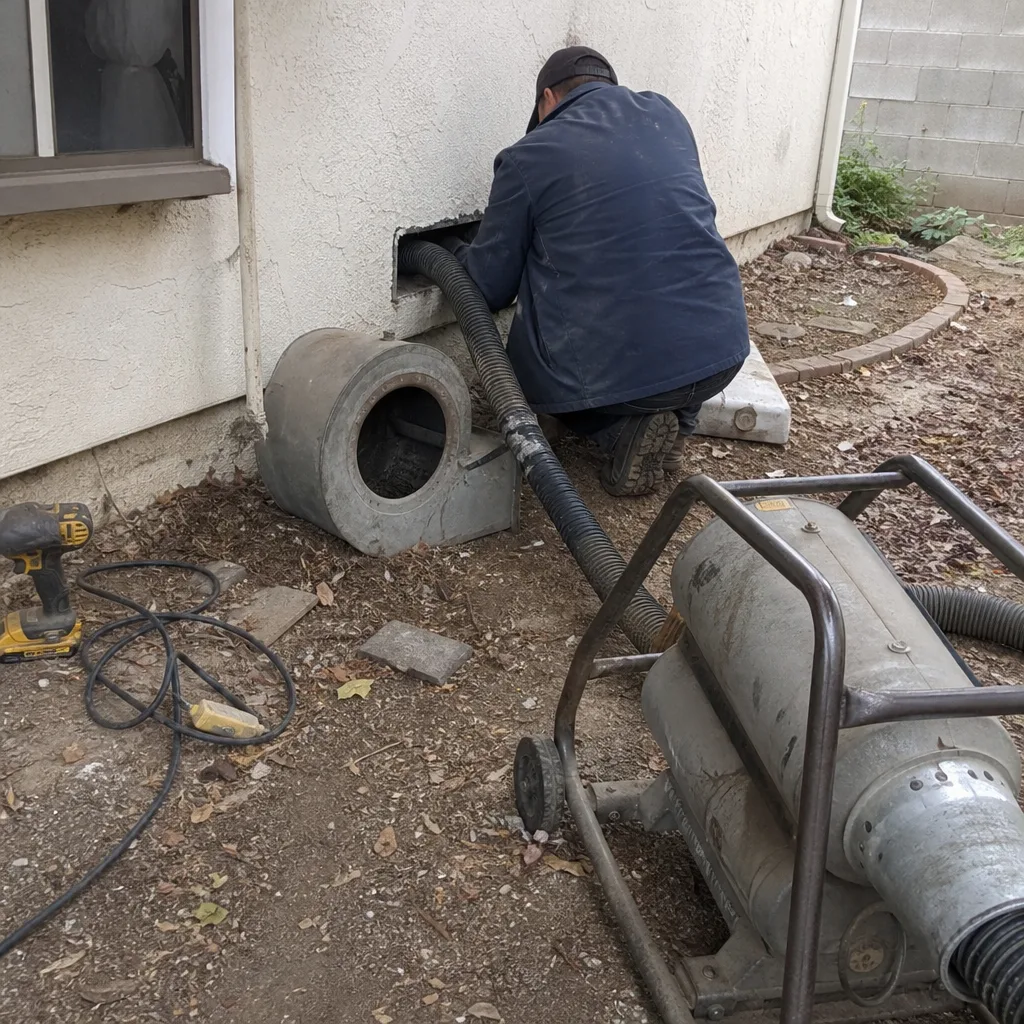 Before
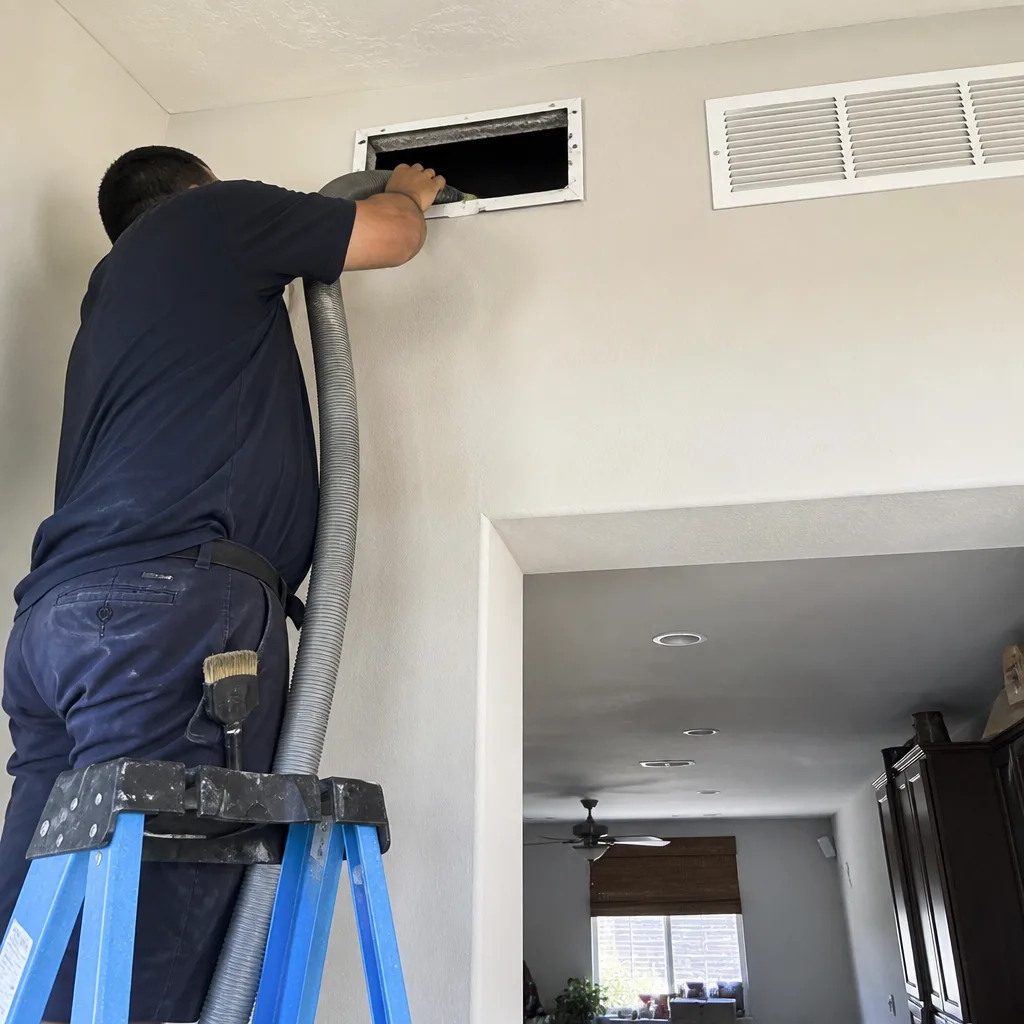 After