
Last updated November 3, 2026
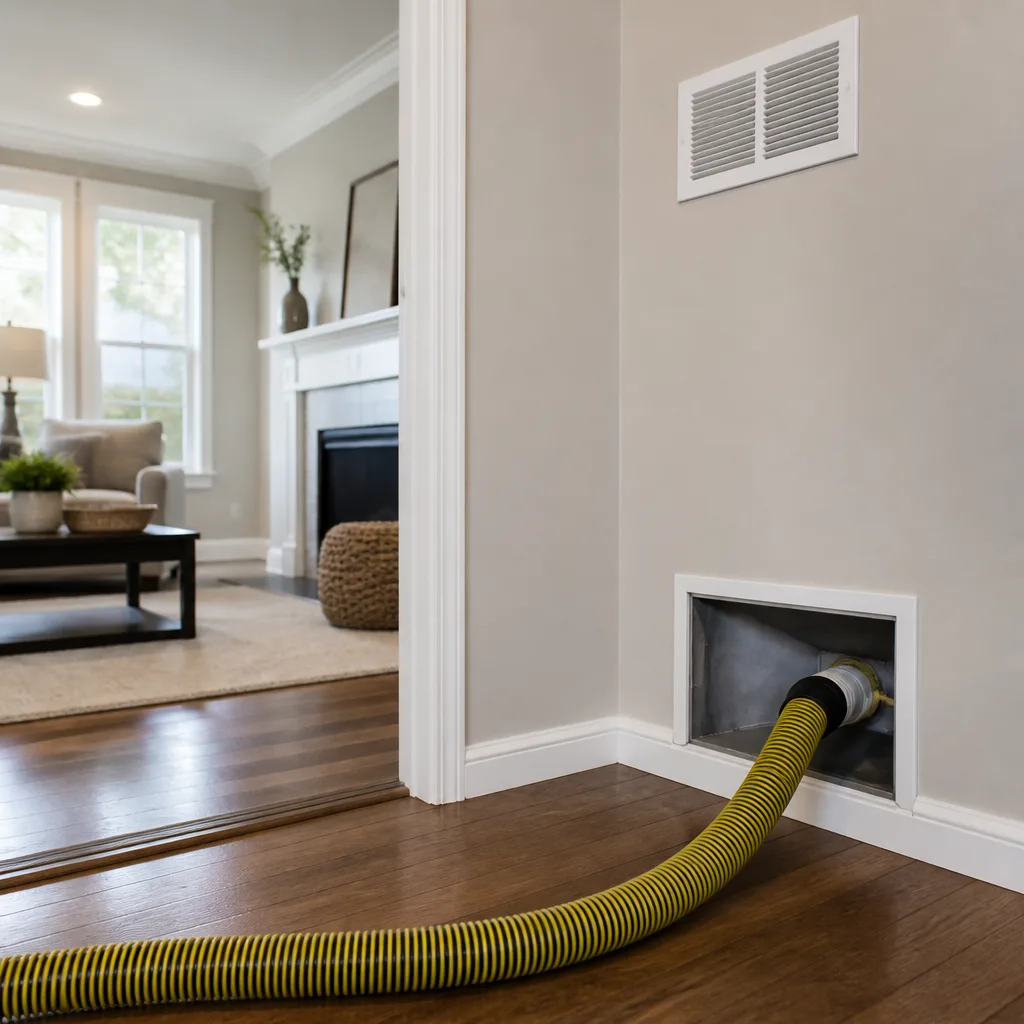 Whole-home duct cleaning
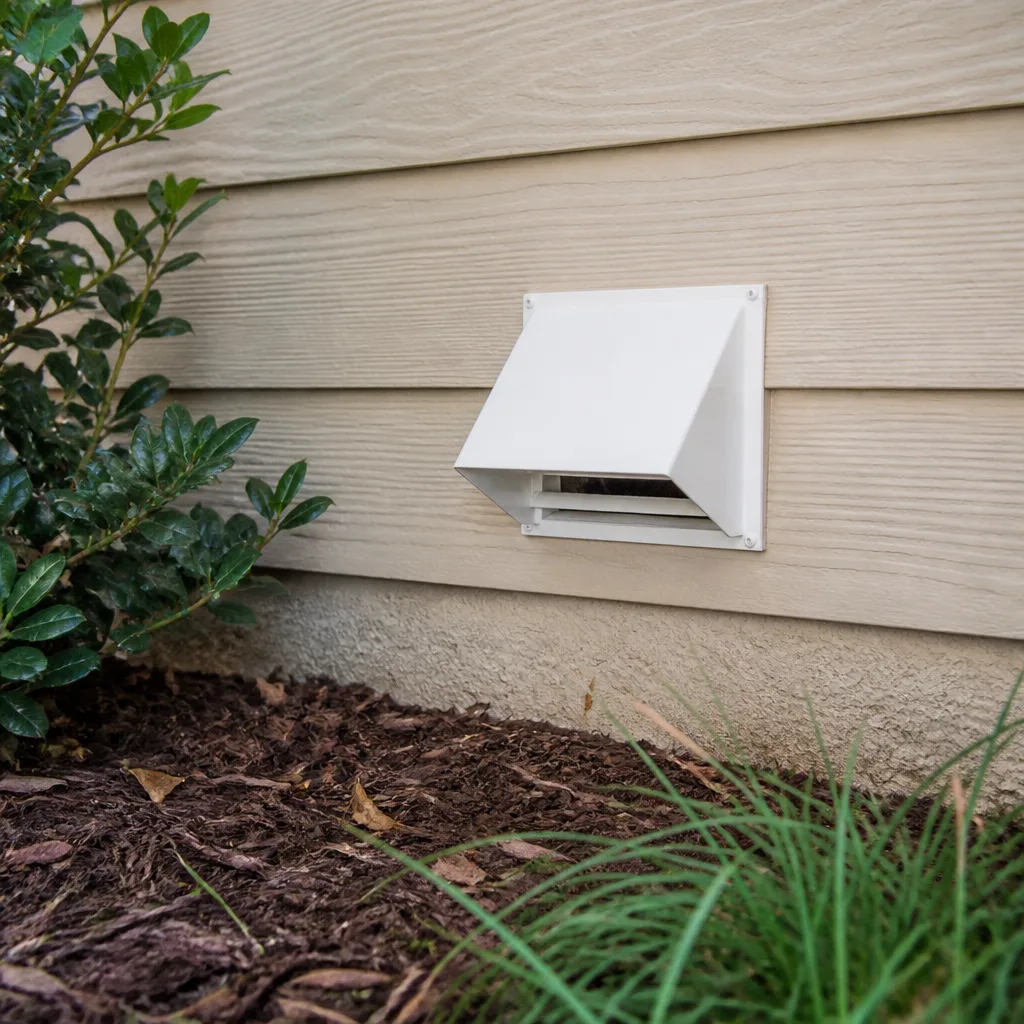 Dryer vent cleaning
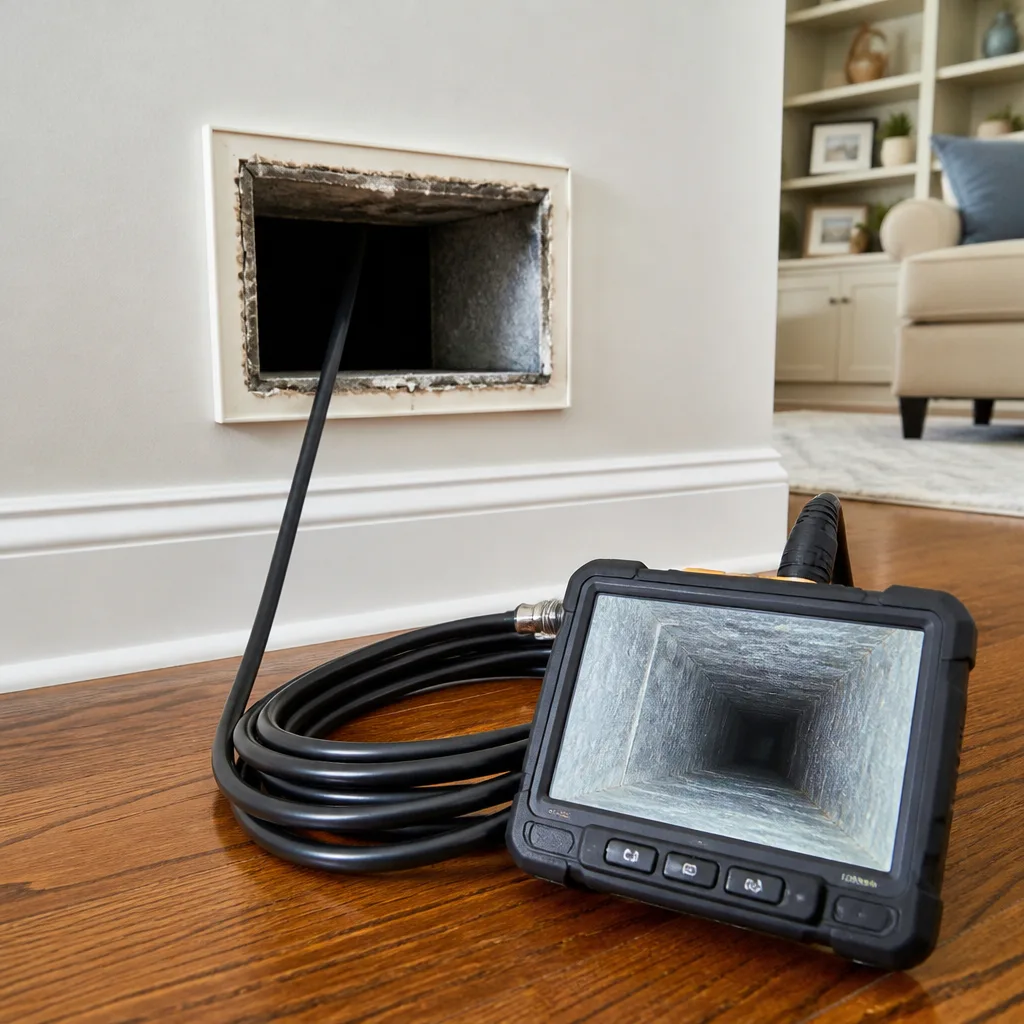 Camera inspection
 Sanitizing & deodorizing
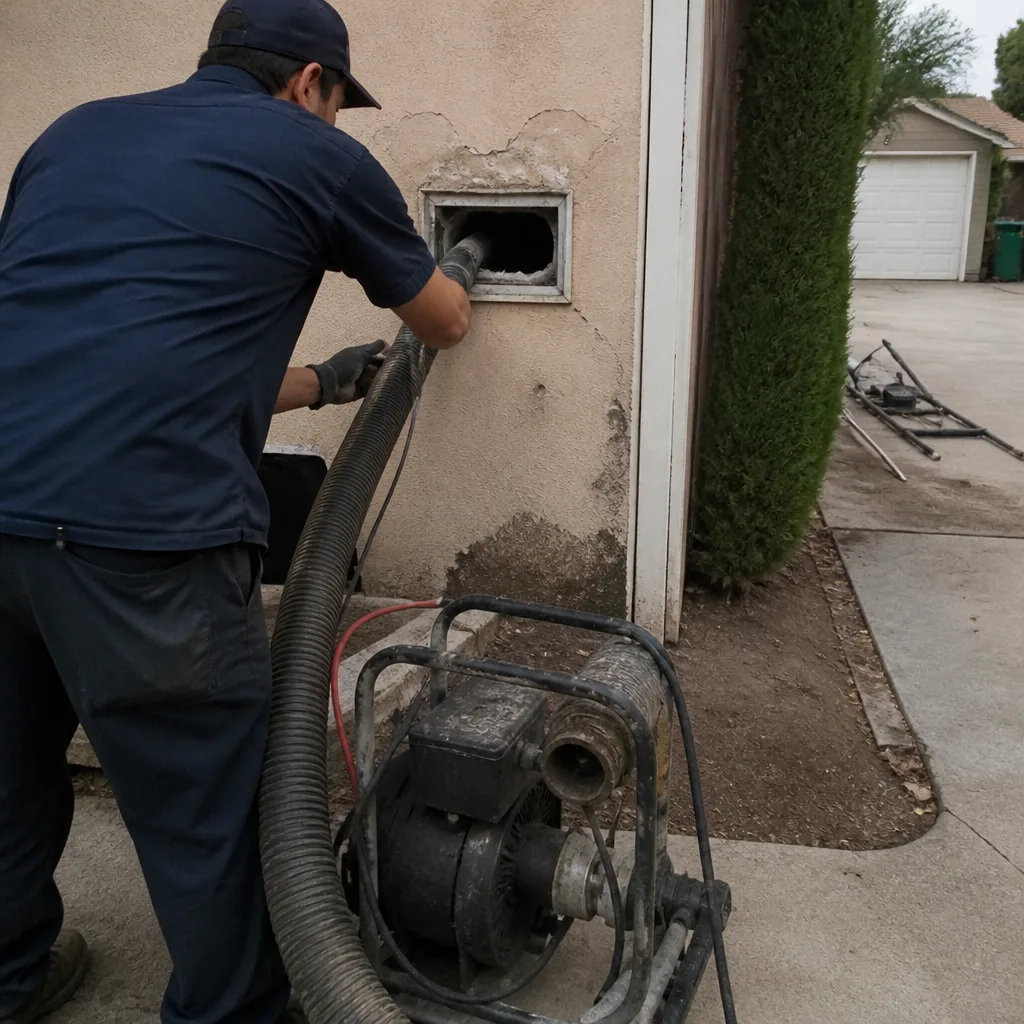
Whole-system duct and dryer vent check with before-and-after photos - you see exactly what came out of your vents
That "$99 whole-house special" is a bait ad - the real number appears once they are in your hallway, or the "clean" is a shop-vac at the register. We photograph the inside of your ducts before and after instead.
Choosing the Right Air Duct Cleaning Brand: A Buyer’s Guide for Jurupa Valley
Most homeowners in Jurupa Valley spend more time researching a $40 kitchen gadget than a $400 duct cleaning. That’s backwards. The equipment a contractor runs determines what actually happens inside your ductwork, and here’s the uncomfortable truth: half the companies advertising duct cleaning run machines that barely outperform a strong leaf blower. Our Complete Air Duct Cleaning Guide for Jurupa Valley Homeowners explains the three equipment systems that actually remove contamination rather than relocating it, so you can walk into any quote call knowing exactly what to ask. By the end, you’ll be able to separate a professional-grade operation from a truck, a hose, and a prayer before anyone ever steps foot in your home.
Styles & brands we work with
- Whole-home duct cleaning
- Dryer vent cleaning
- Camera inspection
- Sanitizing & deodorizing
Quick Answer
A duct cleaning brand that matters is the equipment system the contractor operates. Look for providers using Rotobrush contact-cleaning systems, Nikro HEPA negative-pressure vacuums, or Abatement Technologies HEPA filtration, and reject any company that can’t name its equipment. In Jurupa Valley, Mainstreet Air Duct Cleaning runs all three recognized systems simultaneously, which is the standard the rest of this guide explains.
Table of Contents
- Why Equipment Is the Real Brand
- Rotobrush: Contact Cleaning and What It Actually Does
- Nikro: Negative-Pressure Extraction for Heavier Loads
- Abatement Technologies: HEPA Filtration for Serious Contamination
- The One Question That Exposes a Pretender
- What Professional Equipment Costs, and Why It Filters Out Amateurs
- What Jurupa Valley Homes Specifically Need
- Common Mistakes to Avoid
- When to Call a Professional
- Frequently Asked Questions
- The Bottom Line
Why Equipment Is the Real Brand
Walk down any street in Jurupa Valley and you’ll see a half-dozen pickup trucks with magnetic door signs advertising duct cleaning. Here’s what those signs don’t tell you: the “brand” that matters isn’t painted on the truck. It’s bolted inside it. A duct cleaning is only as good as the machine doing the work, and there are maybe six equipment manufacturers in North America that build machines serious enough to warrant professional use. Rotobrush. Nikro. Abatement Technologies. When a contractor runs one of these systems, the work follows a defined engineering process. When they run a portable shop-vac with a brush taped to a pole, the work follows whatever the tech feels like doing that afternoon.
In our experience across Jurupa Valley, homes here span a wide range: 1970s ranch houses in Pedley, newer builds up toward the Santa Ana River, and denser developments near Limonite Avenue. The duct systems in these homes differ significantly in material, layout, and contamination load. A single cleaning method doesn’t fit all of them. That’s why equipment matters more than the name on the invoice. The right machine for a flexible-duct system in a 900-square-foot condo is not automatically the right machine for rigid sheet-metal ducts in a 3,400-square-foot two-story. A contractor who owns one machine will tell you it works everywhere. A contractor who owns three machines will tell you which one actually fits your house.
Rotobrush: Contact Cleaning and What It Actually Does
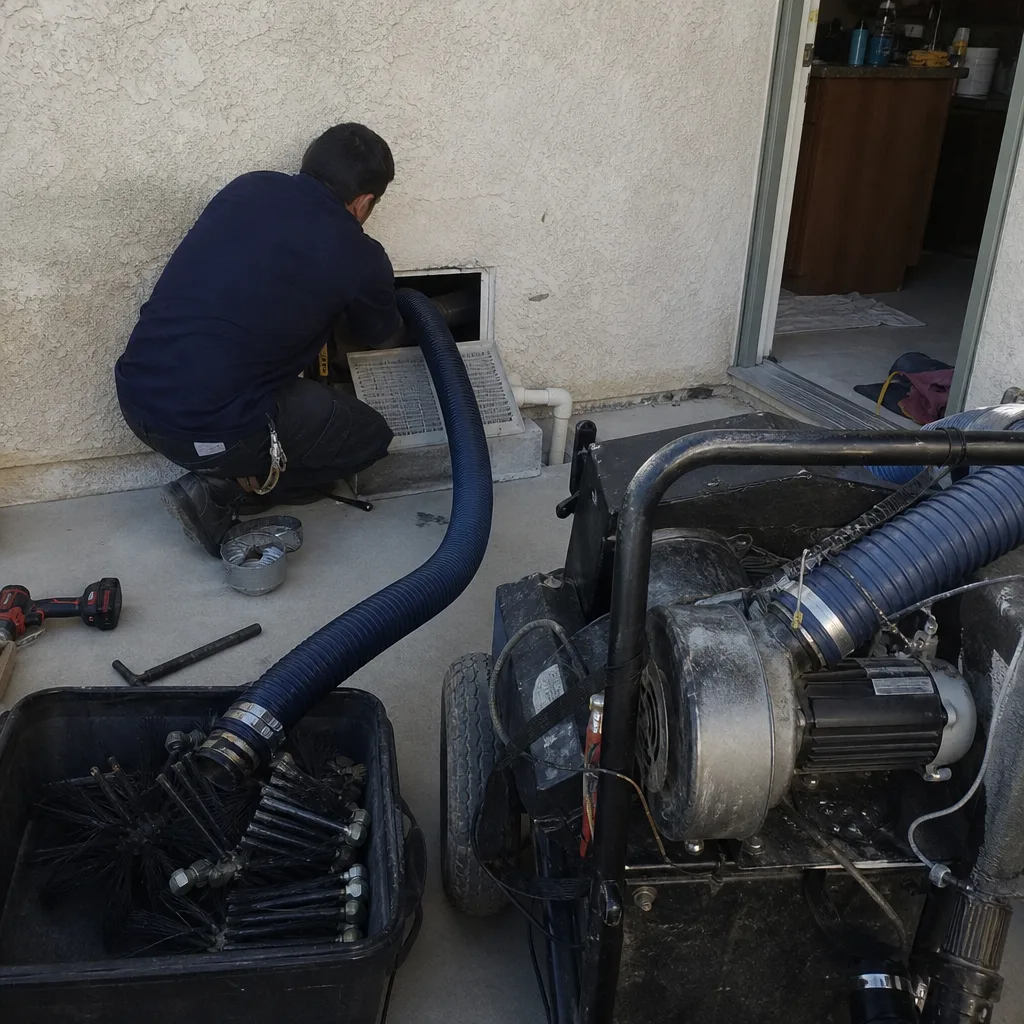
The Rotobrush system is the most widely recognized name in professional duct cleaning, and for good reason. It works on a principle called contact cleaning, which is exactly what it sounds like: a rotary brush physically touches the interior walls of the duct and scrubs contamination loose. Here’s the mechanical sequence that makes it effective:
- A rotating nylon or poly brush head is inserted into the duct and spun at high speed against the interior surface.
- The spinning brush agitates the dust film, debris, and biological material adhered to duct walls.
- A simultaneous vacuum, mounted on the same whip assembly, extracts the dislodged particles immediately at the point of contact.
- The vac side runs through a HEPA-filtered collector so loosened debris is captured, not blown into the living space.
That last point is the one most discount cleaners skip entirely. They’ll shove a brush into the duct, stir everything up, and point a fan at your registers. The dust that was evenly distributed throughout the system is now airborne in your home. Rotobrush’s design prevents that by pairing agitation and extraction in one tool, which is the single biggest difference between contact cleaning and what passes for cleaning in a $99 coupon special.
Rotobrush systems are particularly suited to residential flexible ductwork, the insulated plastic-and-wire tubing common in many Jurupa Valley tract homes. Flex duct is more delicate than sheet metal, and the controlled rotation of a Rotobrush head cleans it effectively without tearing the liner. It also handles residential branch lines well, the 6-inch and 8-inch runs that connect your main trunk to individual registers. For homes with standard residential contamination loads, a Rotobrush system paired with a proper negative-pressure HEPA vacuum is the industry benchmark. At Mainstreet Air Duct Cleaning, we run Rotobrush contact-cleaning heads as the primary agitation method on most residential jobs, because the physical scrubbing produces visible results homeowners can verify with before-and-after photos.
Nikro: Negative-Pressure Extraction for Heavier Loads
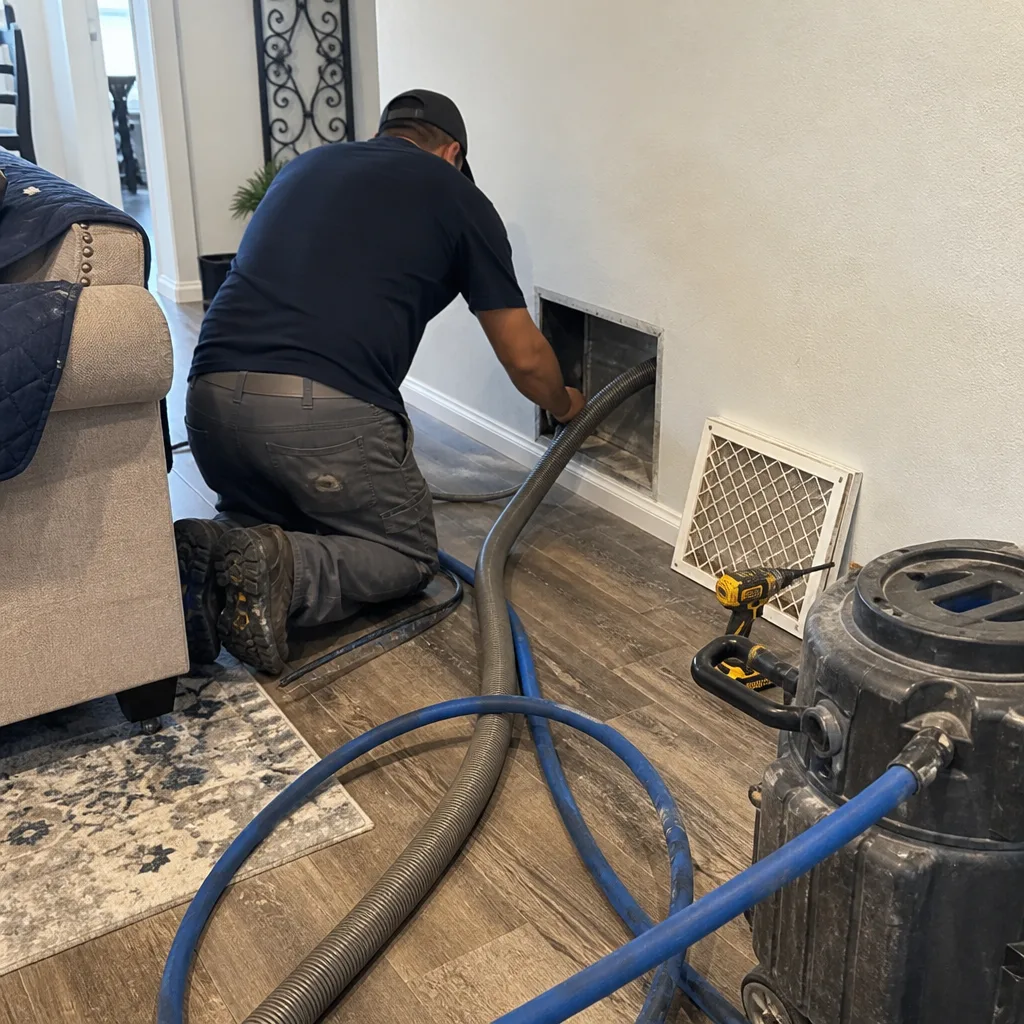
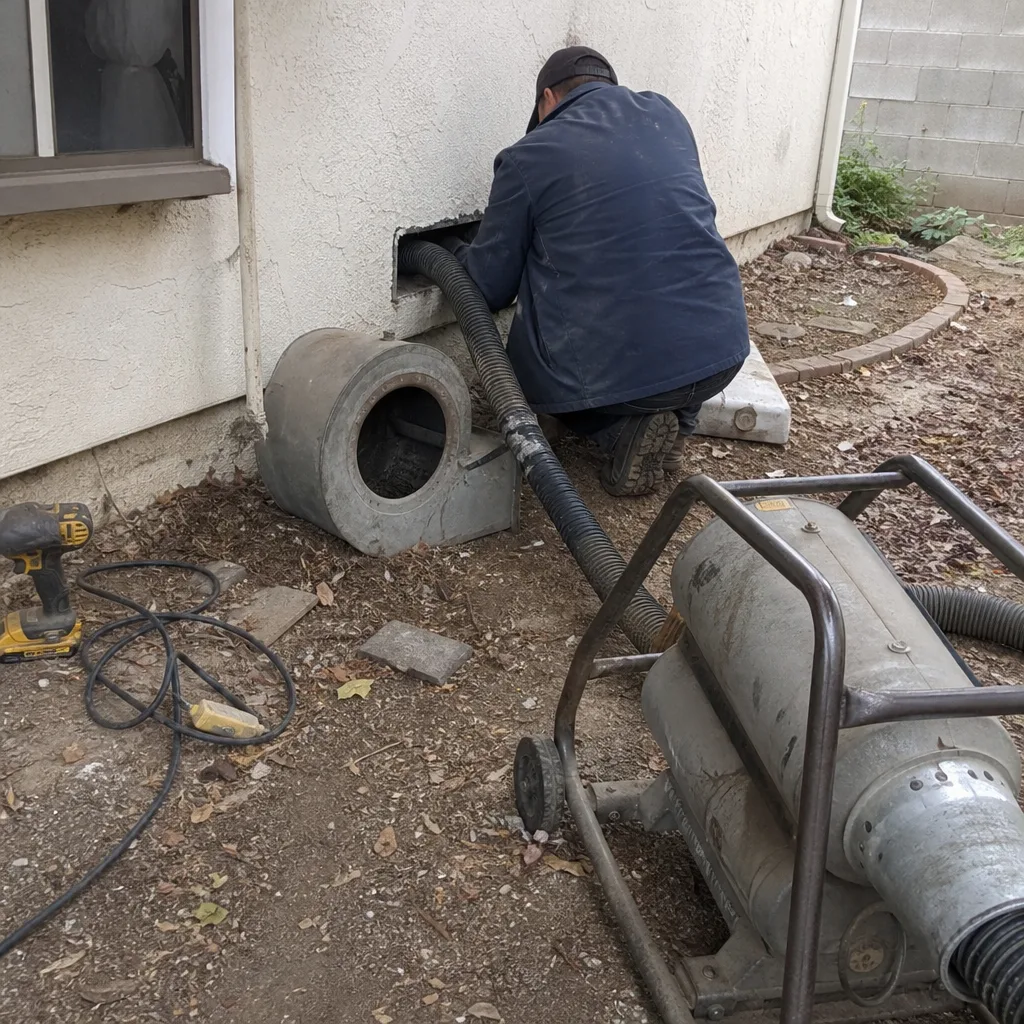
Nikro represents a different engineering philosophy, and understanding the difference between it and Rotobrush is where most buyers get lost. Nikro systems are built around negative pressure: the house’s ductwork is sealed except for one access point, and a high-powered vacuum connected at that point pulls the entire system into a state of vacuum. This does two things. It creates airflow through every branch line and trunk simultaneously, and it prevents any loosened debris from escaping into the home during cleaning. The system is designed so that air moves only one direction: out of the ducts, through the filter, and into a collection canister.
Think of it as the difference between sweeping a floor and vacuuming a carpet. A broom moves dirt around; a vacuum removes it from the environment. Nikro’s approach is particularly relevant for larger Jurupa Valley homes, duct systems with significant contamination loads, or homes where the homeowners have specific concerns about dust redistribution during cleaning. If your system hasn’t been cleaned in 15 years, or if you’ve had recent drywall work, animal intrusion, or significant renovation dust cycling through your HVAC, negative-pressure extraction is the method you want brought to the job.
Nikro machines are also notable for their HEPA-rated filtration. The vacuum doesn’t just collect large debris; it traps sub-micron particles that would otherwise pass through lesser filters and re-enter your air. For a homeowner in Jurupa Valley dealing with smoke contamination, persistent allergy symptoms, or the fine silt that Santa Ana wind events push into homes, that HEPA capture rate is the actual point of hiring a professional at all. We pair Nikro negative-pressure systems with our Rotobrush agitation tools on most jobs, because contact cleaning and negative pressure do two different things, and doing both is what separates a thorough cleaning from a surface pass.
Abatement Technologies: HEPA Filtration for Serious Contamination
Abatement Technologies occupies a slightly different category. Their equipment is designed primarily for containment and air filtration in situations where contamination isn’t supposed to move anywhere except into a filter. In the restoration and remediation world, Abatement gear is the standard for post-fire work, water damage response, and any situation where you’re dealing with dust that shouldn’t be inhaled by anyone, ever. In a duct cleaning context, this equipment matters when you’re dealing with more than routine household dust.
Here’s why this matters to a Jurupa Valley homeowner: Southern California homes experience unique contamination events. Wildfire smoke season has turned into an annual reality across the Inland Empire. The Santa Ana winds push fine particulate through window seals, door thresholds, and ventilation systems. Homes near the 60 Freeway corridor see elevated roadway dust infiltration. In each of these scenarios, the duct system becomes a reservoir for fine particles that conventional cleaning might stir up but not fully capture. Abatement Technologies equipment brings true HEPA-rated air filtration and negative air pressure to the job, meaning the company operating it can contain and remove that contamination rather than redistributing it through the living space.
We bring Abatement filtration into play on jobs where homeowners have noted smoke intrusion, recent pest remediation, or duct systems that have absorbed fine particulate beyond what a standard cleaning addresses. It’s not necessary for every job, and any company that insists on running full containment equipment for a routine cleaning in a 1,200-square-foot condo is likely padding the invoice. But when you need that level of filtration, you need it. The ability to deploy it when the job warrants, rather than pretending a standard vacuum handles everything, is a capability signal worth asking about.
The One Question That Exposes a Pretender
If you take nothing else from this guide, take this: before you book any duct cleaning in Jurupa Valley, ask the contractor one direct question: “What specific equipment will you be bringing to my job?” That’s it. The answer will tell you more about the quality of work you’re going to receive than any review page or sales pitch. Here’s what to listen for:
A competent answer sounds like this: “We run a Rotobrush contact-cleaning system paired with a Nikro negative-pressure HEPA vacuum, and we’ll add Abatement Technologies air filtration if we find significant contamination during the inspection.” Specific names. Specific tools. Specific plan.
A vague answer sounds like this: “We use professional equipment,” or “Don’t worry, we have everything we need on the truck,” or “It’s a truck-mounted system.” None of these tell you anything about the actual machine, which means either the person doesn’t know what they’re operating, or they’re trying to avoid naming a machine that would expose them. Both are disqualifying.
A red-flag answer sounds like this: “We have a really powerful blower that pushes all the dust out through the registers.” Push cleaning, where air is blown into the ducts and forced out through the grilles, is not cleaning. It’s relocation with extra steps. It moves contamination from the ducts into your living room, where it settles on furniture, floors, and surfaces until your HVAC kicks on and pulls it right back in. No serious company uses push-only methods. If you hear “blower” without “HEPA vacuum” in the same sentence, end the call.
What Professional Equipment Costs, and Why It Filters Out Amateurs
Here’s a number most homeowners never think about: a single professional-grade Rotobrush system costs between $12,000 and $25,000 depending on configuration. A Nikro negative-pressure unit runs $8,000 to $15,000. Abatement Technologies HEPA filtration equipment adds another $5,000 to $10,000 per unit, and most companies run multiple setups so one can be in service while another is in a home. When you’re looking at a company that runs all three systems, as we do at Mainstreet, you’re looking at a rolling equipment investment that exceeds what most people spend on a new SUV.
The gum-and-string operator running a $300 shop-vac from a hardware store can charge $89 for a “duct cleaning” because his equipment cost him nothing to acquire and nothing to maintain. You aren’t paying for the same job at a different price. You’re paying for a different job entirely. The equipment cost functions as a market filter: anyone who invested in professional-grade systems is committed to the trade and has to deliver results that justify repeat business and referral traffic. Anyone who bought a pickup truck and printed flyers is committed to volume and low effort, because that’s the only model their equipment supports.
This is why we’ve never tried to compete on price. When a homeowner in the Sky Country neighborhood or up toward Indian Hills asks why our quote is higher than the coupon in the mailer, the answer is honest: the coupon company is running a vacuum that cost less than our replacement filter. Jurupa Valley homeowners who understand this don’t object to paying for actual cleaning. They object to paying any amount for fake cleaning, which is what the coupon represents.
What Jurupa Valley Homes Specifically Need
Jurupa Valley isn’t a generic market, and your ducts aren’t either. The city’s location along the Santa Ana River corridor means homes here deal with a specific set of contamination challenges that a company in, say, coastal Orange County doesn’t face. Here’s what we encounter routinely in homes across Jurupa Valley:
The Santa Ana wind effect is real. From October through February, sustained wind events push fine dust and particulate from the high desert through the Cajon Pass and into the Inland Empire. Jurupa Valley sits directly in that path. Homes here accumulate airborne silt faster than coastal properties, and much of it settles in duct systems because HVAC filters only capture particles that pass through them. The dust that settles inside your ductwork while the system is idle stays there until something moves it, which is why homes in Jurupa Valley often show heavier-than-typical coating inside supply trunks despite regular filter changes.
Housing stock age matters too. Jurupa Valley incorporated in 2011, but many of its neighborhoods were built decades earlier. Homes in the 1970s and 1980s neighborhoods around Mission Boulevard and Rubidoux often have original rigid metal ducting, some of it wrapped in deteriorating insulation. Homes built in the 2000s and 2010s in the newer developments use flexible duct extensively. Each requires different handling. Rigid metal ducts can tolerate aggressive contact cleaning, but older systems may have separation gaps at joints, corrosion holes, or failing seals that a cleaning alone won’t solve. Flex duct cleans well with controlled rotary brush systems but is easily damaged by over-aggressive tools. A company that doesn’t ask about your home’s age, duct material, and filter history before quoting isn’t planning a cleaning; it’s planning a drive-by.
We also see a specific pattern in Jurupa Valley homes with evaporative coolers or older HVAC systems that haven’t been upgraded to sealed, high-efficiency filtration. These systems run less positive pressure than modern units, which means duct interiors stay more humid during summer, which means dust adheres more stubbornly to duct walls. That’s a contact-cleaning job, not a blow-and-go job. Air duct repair often becomes relevant here too: when we identify separated joints or damaged sections during a cleaning, addressing them in the same visit prevents the cleaning from being undone by the very system itself.
Common Mistakes to Avoid
- Hiring based on the coupon price. The math doesn’t work. A company charging $79 for a whole-home duct cleaning is losing money on every job unless the job takes 20 minutes and nothing is actually cleaned, which is exactly what happens. You’ll pay more when you redo the work properly.
- Not asking for the equipment names. If a contractor can’t tell you whether they run Rotobrush, Nikro, or a comparable recognized system, you’ve learned everything you need to know. A professional knows their tools the way a mechanic knows their lift.
- Accepting “blow-out” cleaning as legitimate. Pushing air through ducts without containment vacuums moves dust from the ductwork into your home. In Jurupa Valley’s dust-load conditions, this can make your air quality worse than before the cleaning.
- Skipping the inspection. A legitimate company inspects your ducts before quoting, and shows you what they found. Companies that quote over the phone without seeing the system can’t know what the job involves, which means their price is either inflated to cover unknowns or they don’t intend to adapt to what they find.
- Ignoring the dryer vent. Nearly every duct cleaning company in Jurupa Valley ignores the dryer vent line, but it’s the highest-fire-risk exhaust path in the home. We offer dryer vent cleaning as a standalone service because lint blockages are a leading cause of household fires, and the vent is almost never visible during routine maintenance.
- Choosing the cheapest filter grade. After a professional cleaning, putting a $2 fiberglass filter back in the system undoes the work within months. Upgrating to a MERV 8 or higher pleated filter, and changing it regularly in Jurupa Valley’s dust season, keeps cleaned ducts clean.
- Assuming all duct damage requires replacement. Many homeowners delay addressing duct issues because they assume repair means full replacement. We regularly repair damaged sections, reseal joints, and reconnect separated flex duct in a single visit, at a fraction of replacement cost.
When to Call a Professional
Call a professional duct cleaning company when you see dust accumulating on registers shortly after cleaning, when rooms heat or cool unevenly despite a functioning HVAC unit, when your energy bills climb without explanation, or when you’ve had renovation work, pest intrusion, or a fire event nearby. If anyone in the home has persistent respiratory symptoms that improve when you’re away from the house, that’s also a signal worth investigating. Mainstreet Air Duct Cleaning offers free estimates in Jurupa Valley, and we’ll inspect your system before quoting so the number reflects your actual ducts, not a script. For more guides & resources on maintaining healthy indoor air, visit our blog. Call (877) 358-3053 to schedule a walkthrough.
Frequently Asked Questions
Expect to pay between $350 and $750 for a legitimate whole-home duct cleaning in Jurupa Valley, depending on system size, accessibility, and contamination level. The low-end prices under $150 reflect a blow-out service that won’t satisfy any standard this guide describes. Call (877) 358-3053 for a written estimate based on an actual inspection of your system.
Cheap quotes reflect cheap equipment and short job times. A $99 cleaning means the contractor needs to complete your entire home in under an hour to make money, which means no contact cleaning, no HEPA vacuum containment, and no inspection. You’re paying to have dust stirred around, and the job will need redoing properly within months.
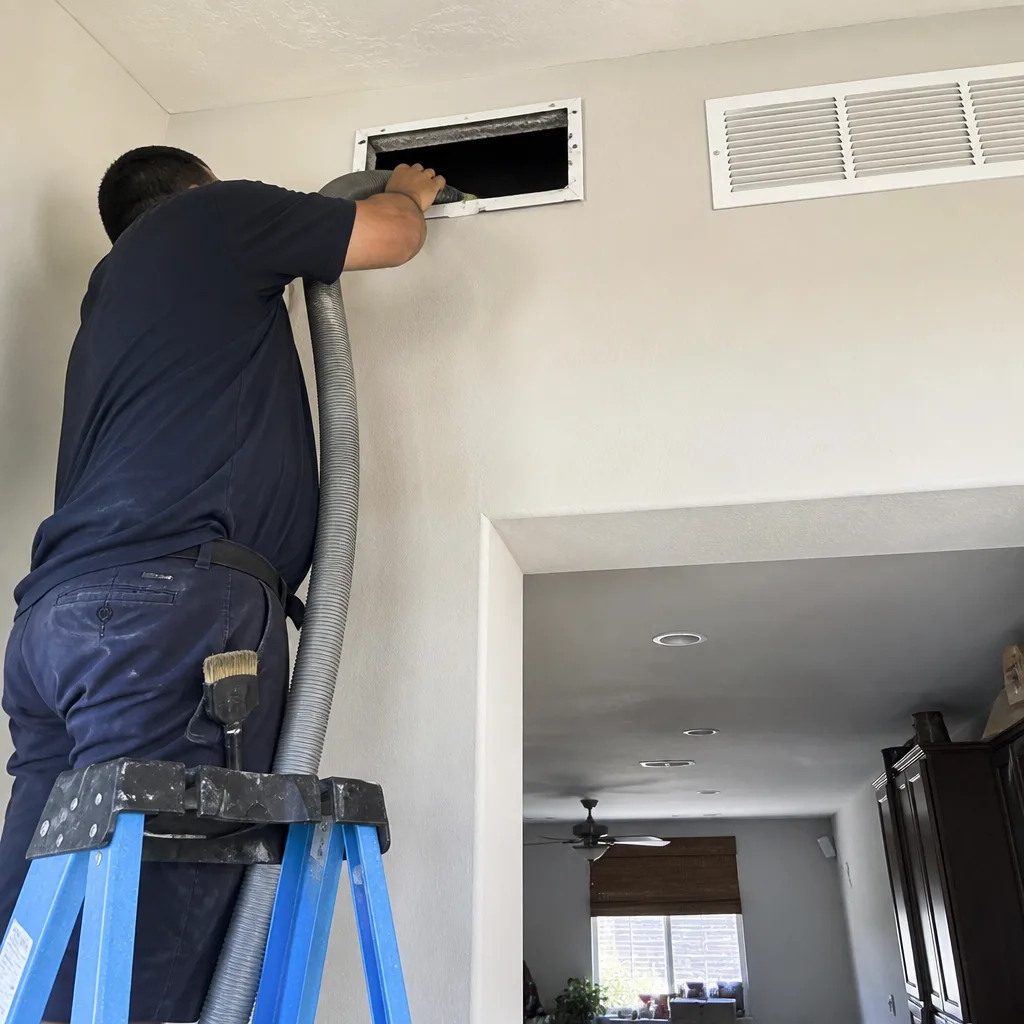
Ask for before-and-after photos of your duct interiors. Professional-grade equipment with camera ports makes this easy, and any legitimate company should be willing to show you what was removed. At Mainstreet, we show homeowners exactly what came out of their ducts, because the results speak plainly.
For most homes in Jurupa Valley, every 3 to 5 years is appropriate. Homes near the 60 Freeway, homes with pets, homes undergoing frequent Santa Ana wind dust exposure, and homes with smokers or recent renovation work may warrant cleaning every 2 to 3 years. An inspection tells you where your specific home falls.
Duct cleaning removes accumulated dust, dander, and biological material from the system that filters don’t address, which can reduce the allergen load circulated through your home. It’s not a medical treatment and won’t eliminate allergens that enter through open windows, but combined with regular filter changes at MERV 8 or better, it meaningfully improves indoor air quality for many households.
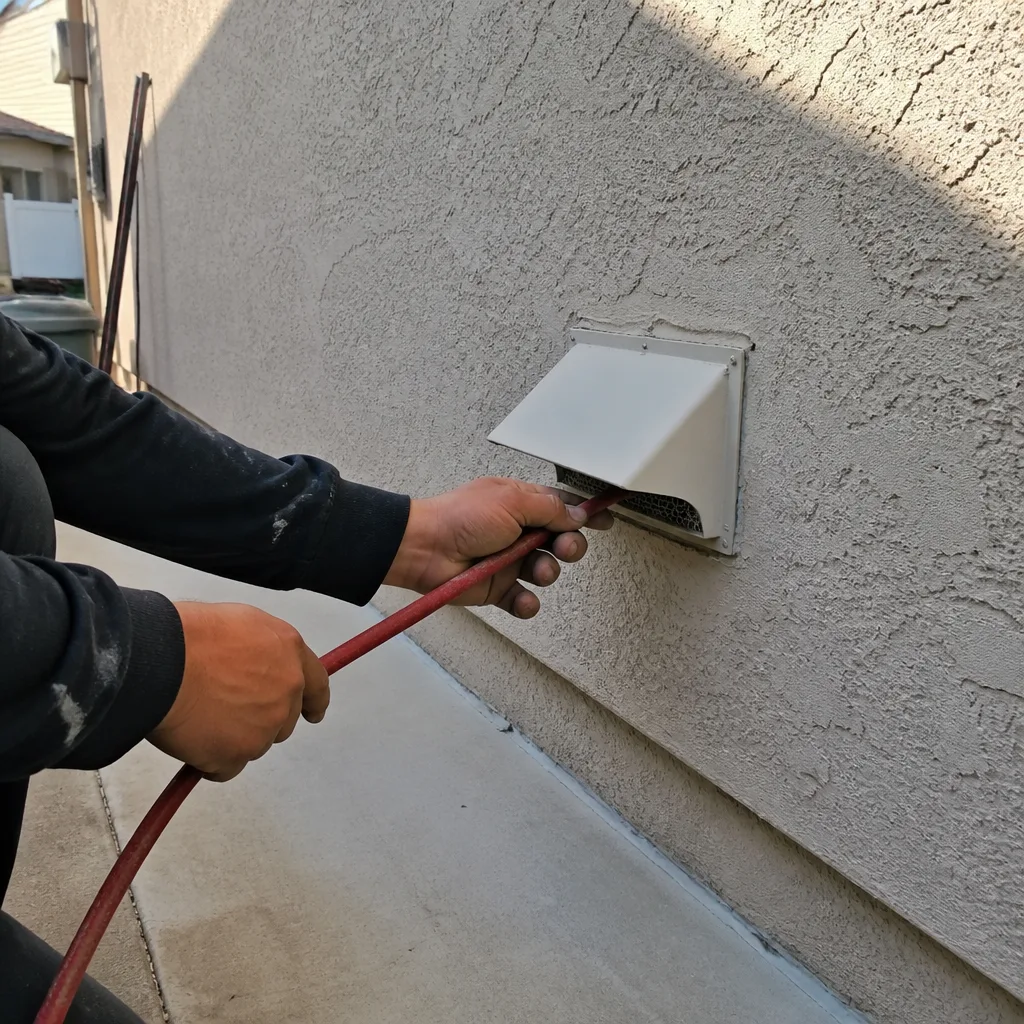
Yes. Dryer vent cleaning in Jurupa Valley is a standalone service we offer because lint buildup is a fire hazard and most duct-only companies skip the vent entirely. We inspect the entire vent run from dryer to exterior termination, remove the accumulated lint, and verify airflow before we leave.
The Bottom Line
Choosing the right duct cleaning brand in Jurupa Valley comes down to one thing: the equipment system the contractor runs. For a deeper dive, see The Complete Air Duct Cleaning Guide for Jurupa Valley Homeowners. Rotobrush contact cleaning scrubs duct walls physically; Nikro negative-pressure extraction removes contamination under controlled airflow; Abatement Technologies HEPA filtration handles the heavy contamination scenarios. A company that owns and runs all three, and can explain when each applies, is operating at a professional level that discount cleaners can’t match and don’t have the equipment to fake. Ask the one question. Listen for the specific names. If you hear them, you’ve found a real contractor. If you don’t, keep looking.
Written by the team at Mainstreet Air Duct Cleaning, serving Jurupa Valley since 2011.
See the difference
 Before
 After
 Before
 After
 Before
 After